Goals
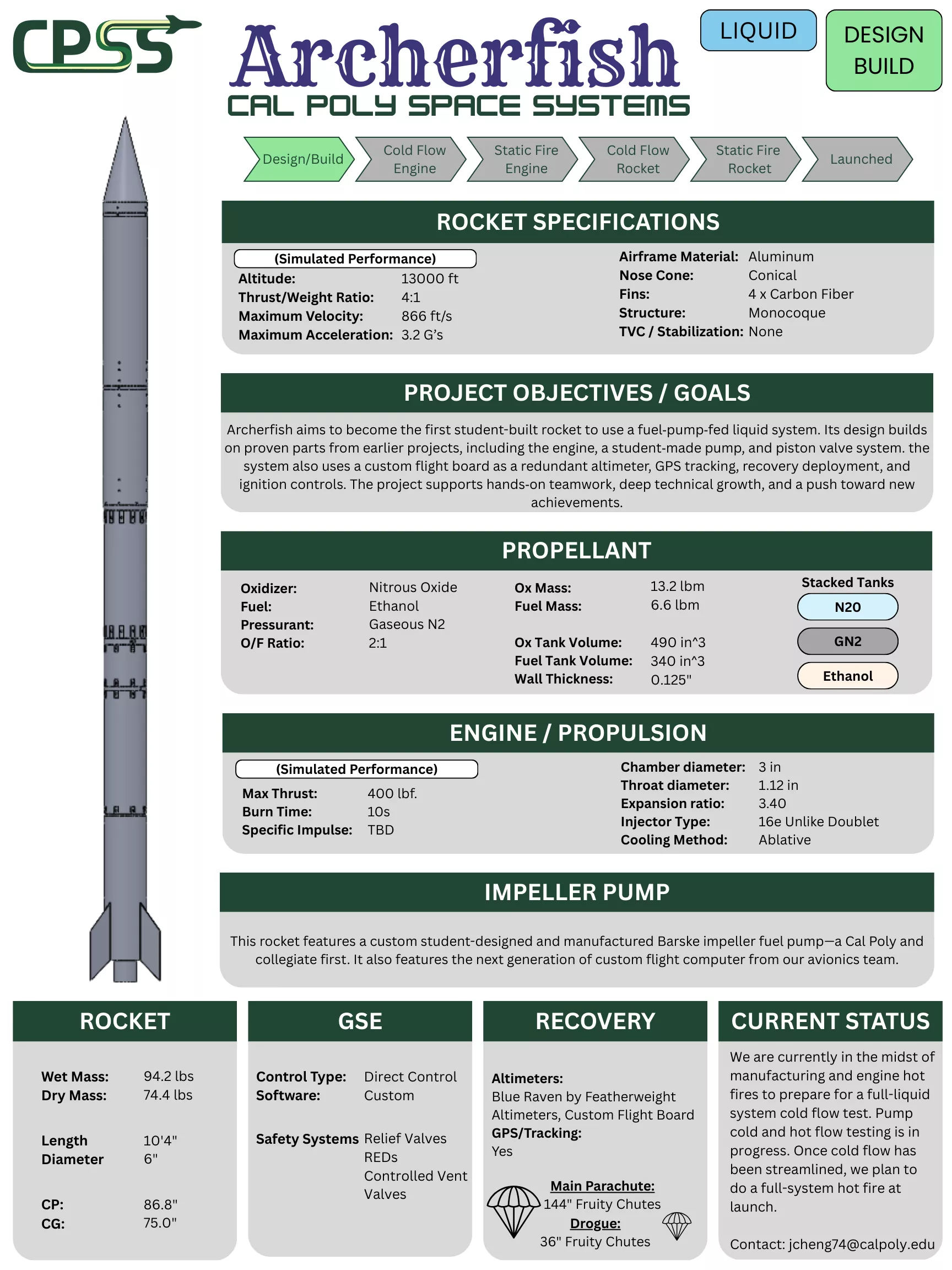
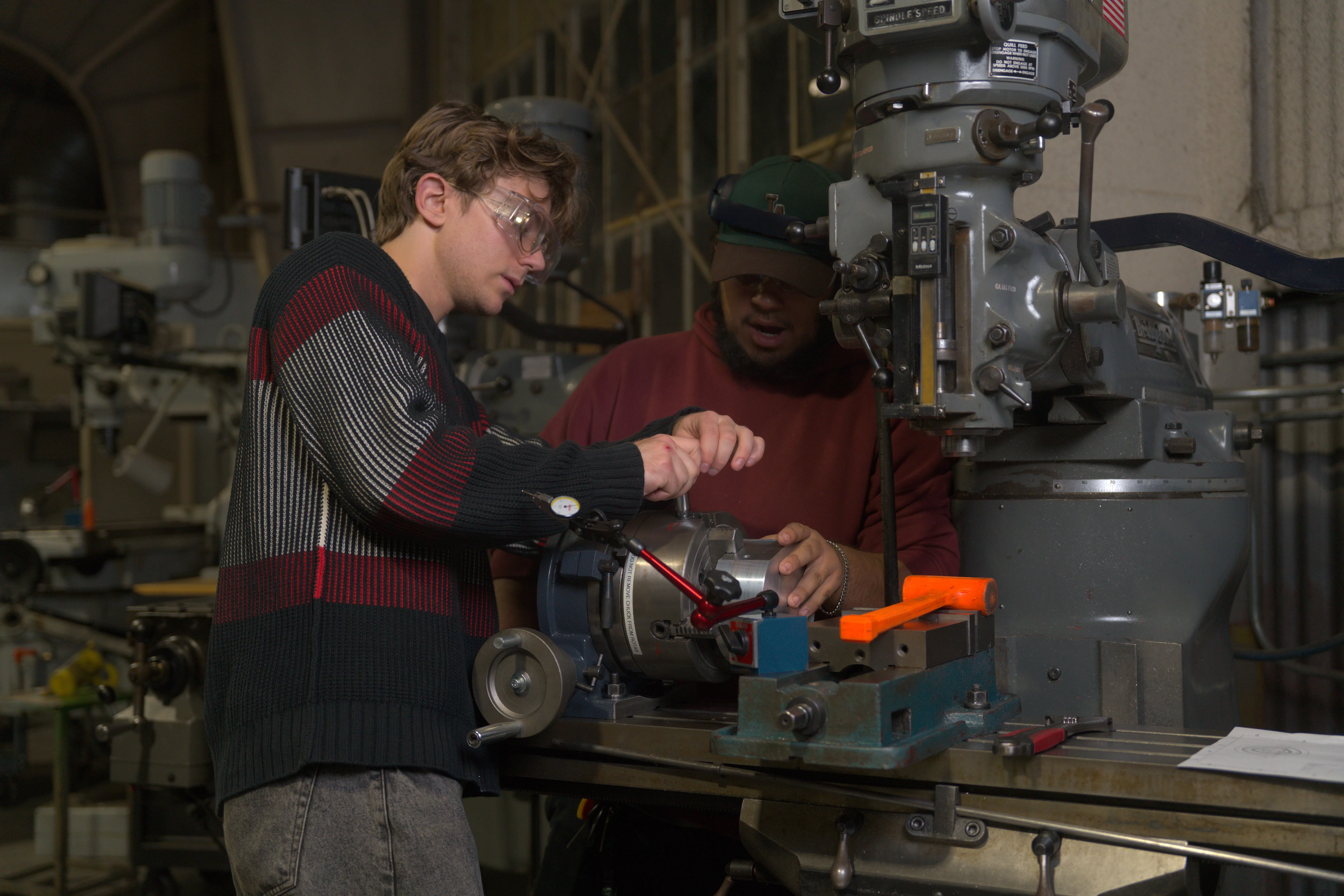
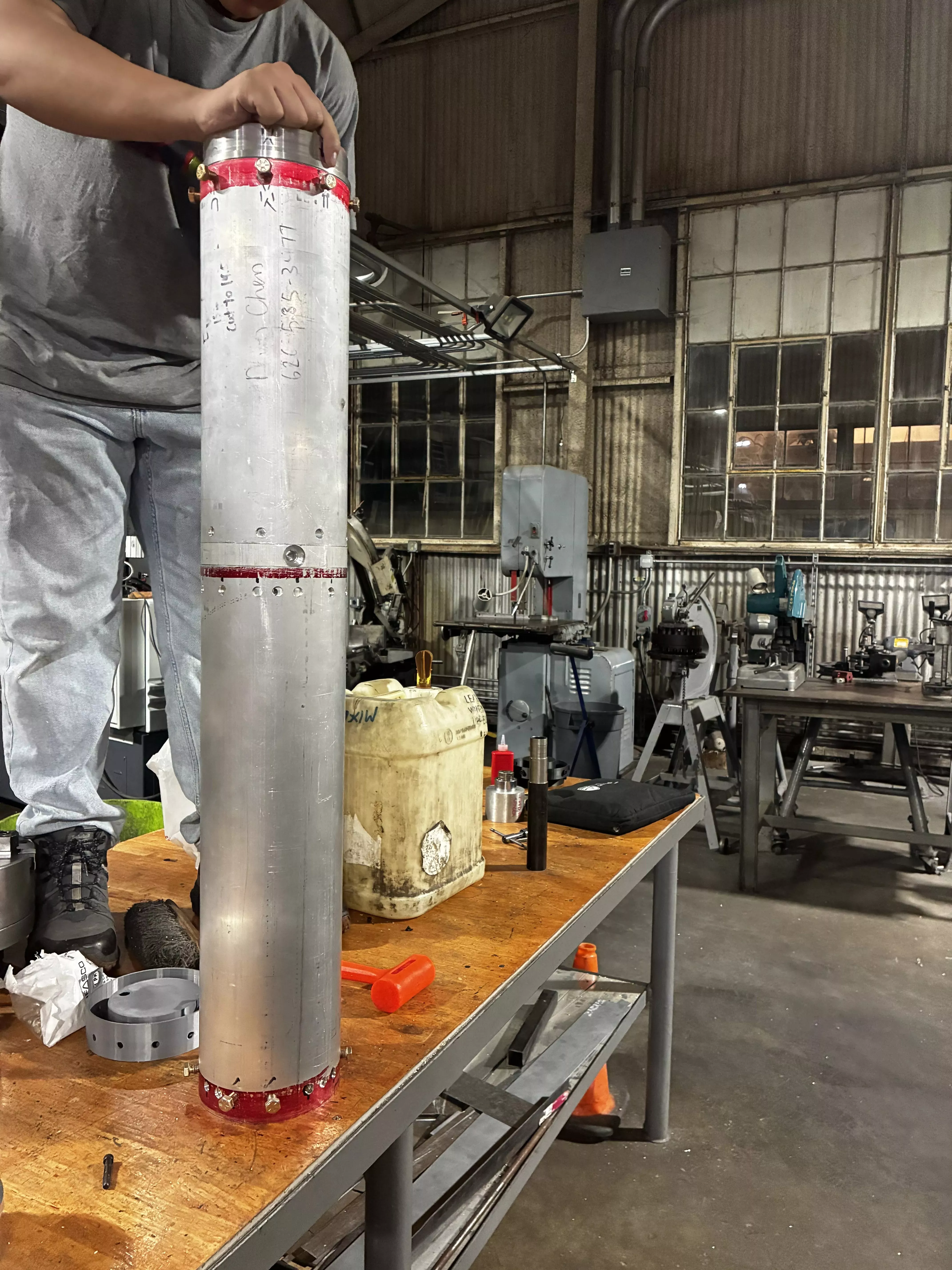
Archerfish aims to become the first student-built rocket to use a fuel‑pump‑fed liquid system. Its design builds on proven parts from earlier projects, including the engine, a student‑made pump, and piston valve system. The system also uses a custom flight board as a redundant altimeter, GPS tracking, recovery deployment, and ignition controls. The project supports hands‑on teamwork, deep technical growth, and a push toward new achievements.
Archerfish is also the largest project I have led to date, involving well over 20 students across 5 subteams. It has been a challenge in organization, timekeeping, and leadership in general, providing what I would consider invaluable experience.
Current Status
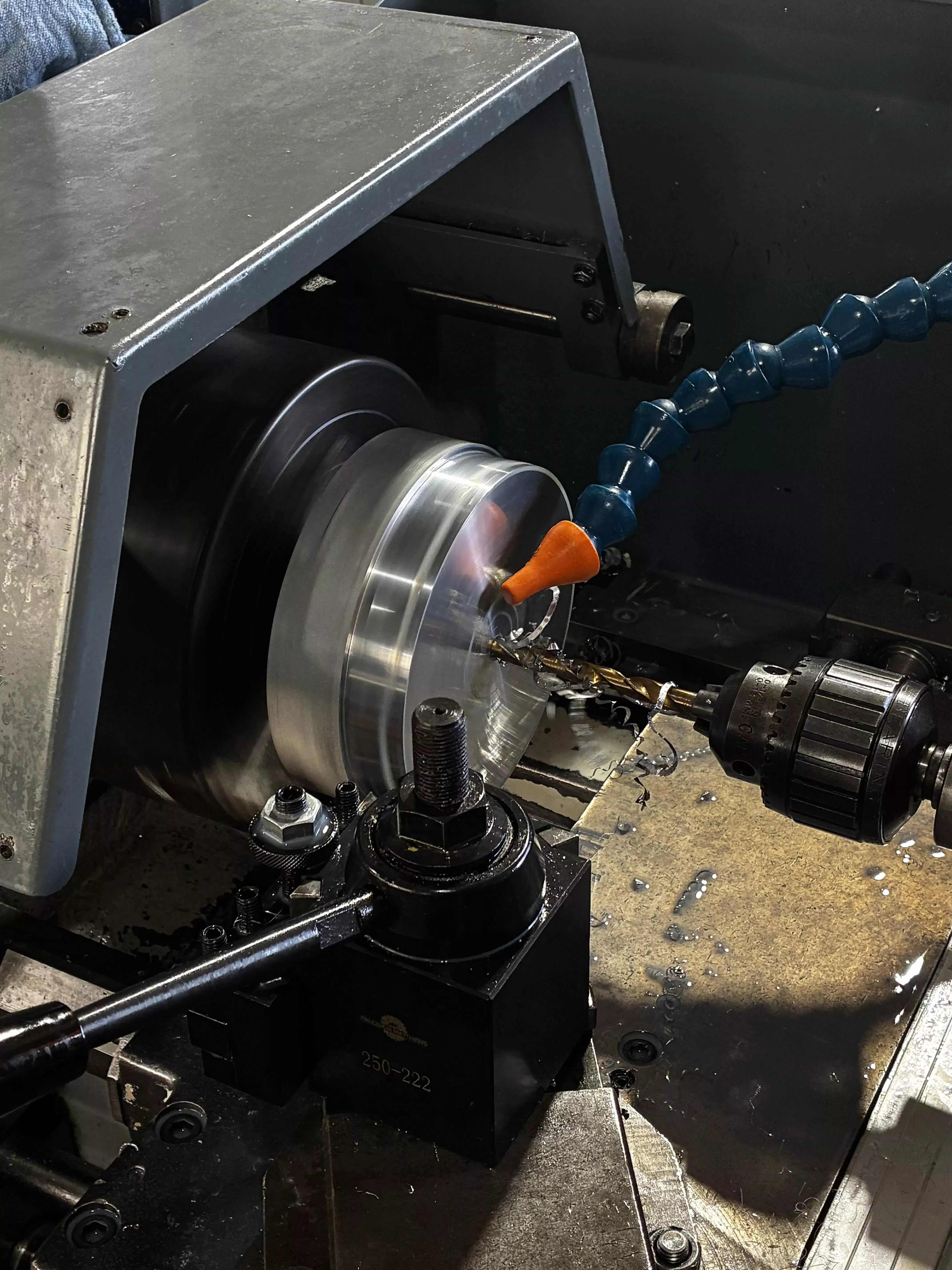
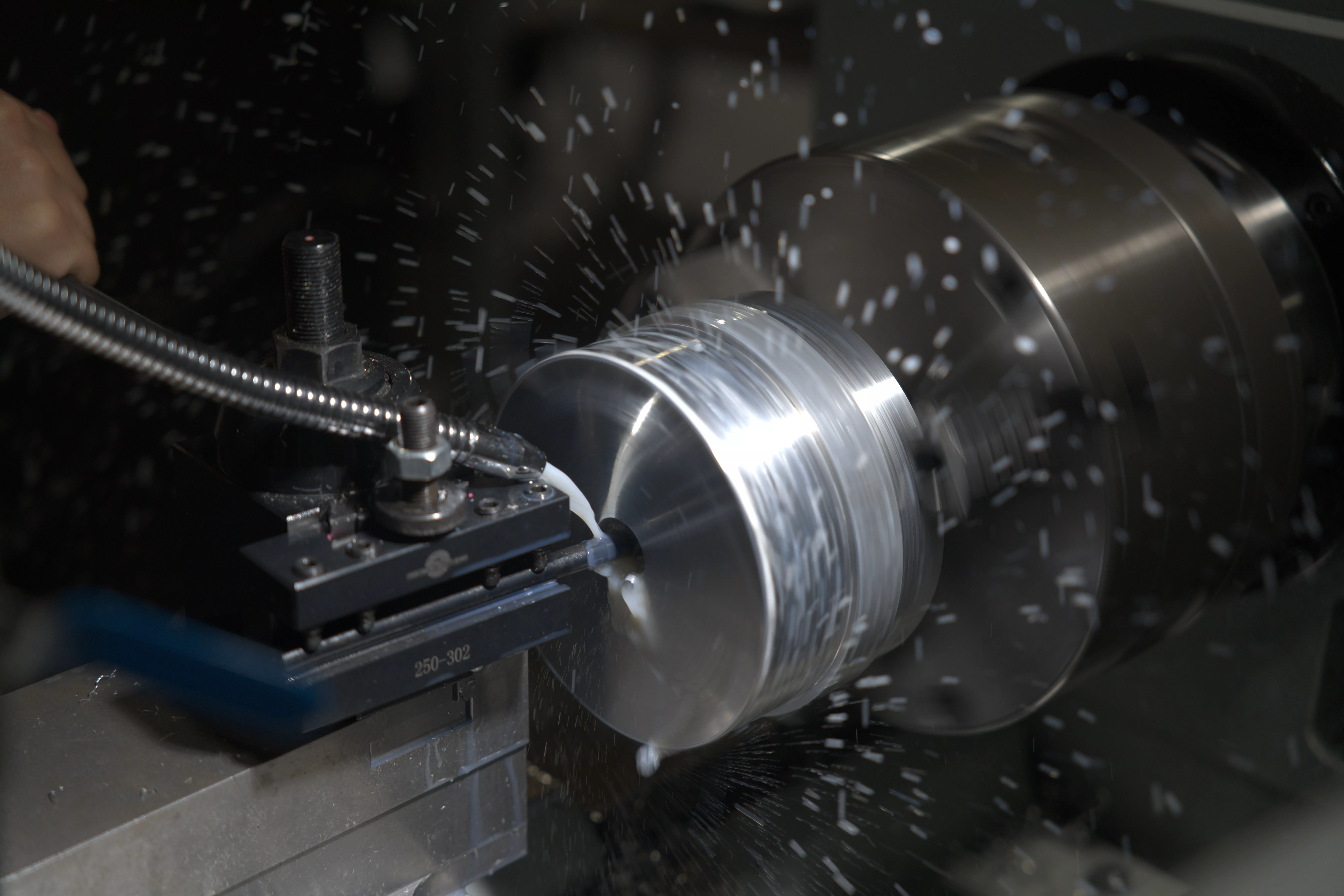
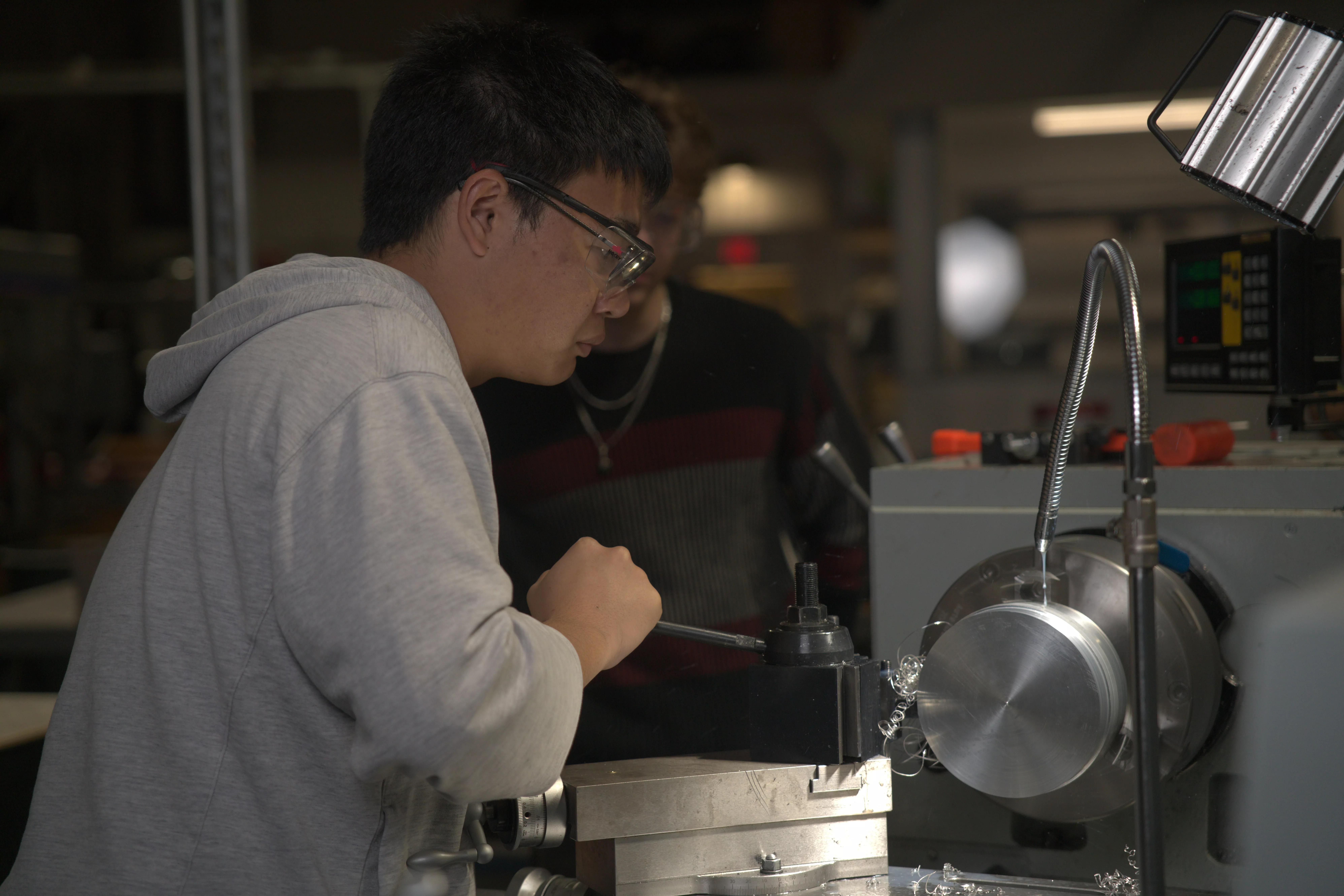
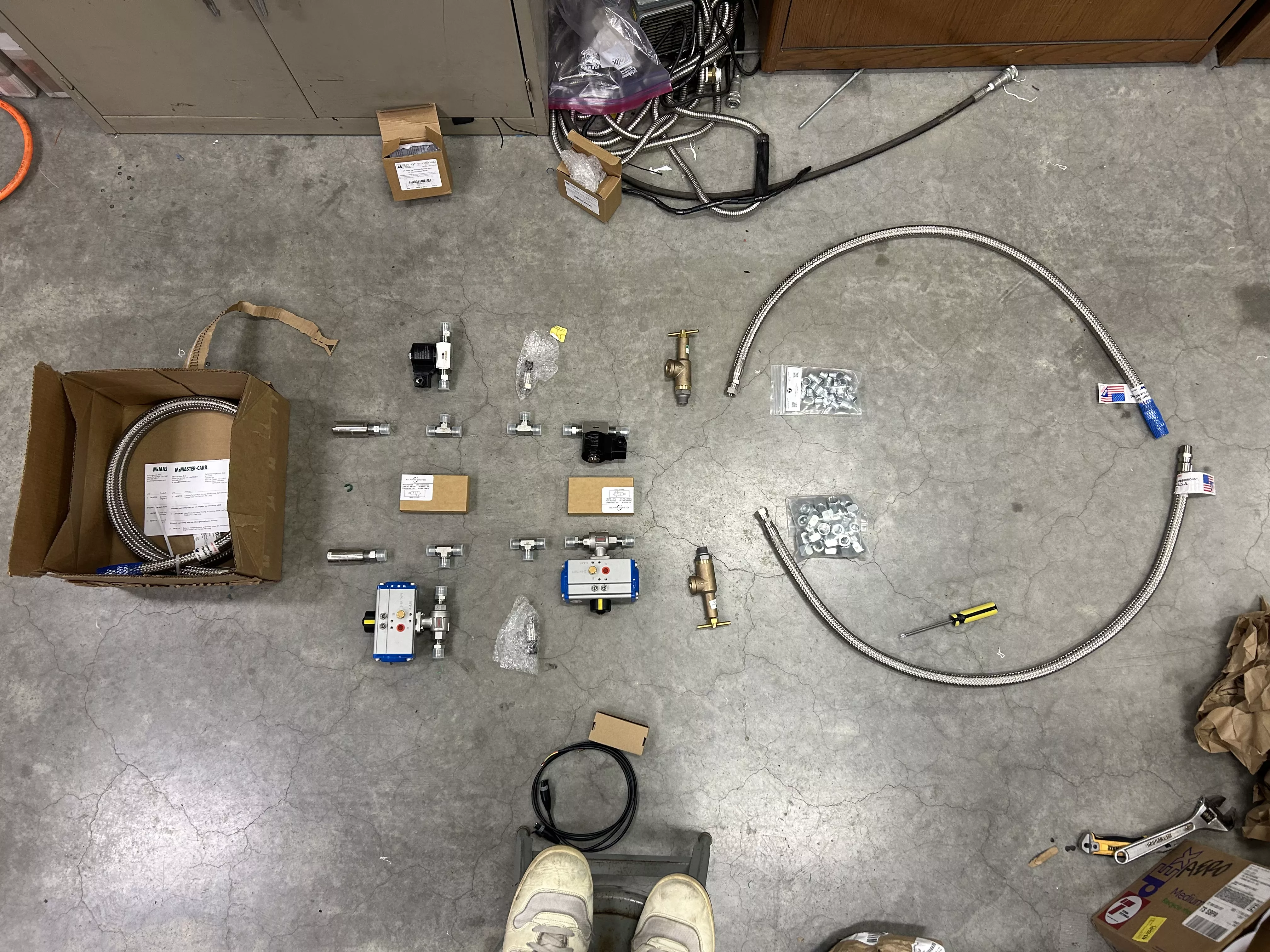
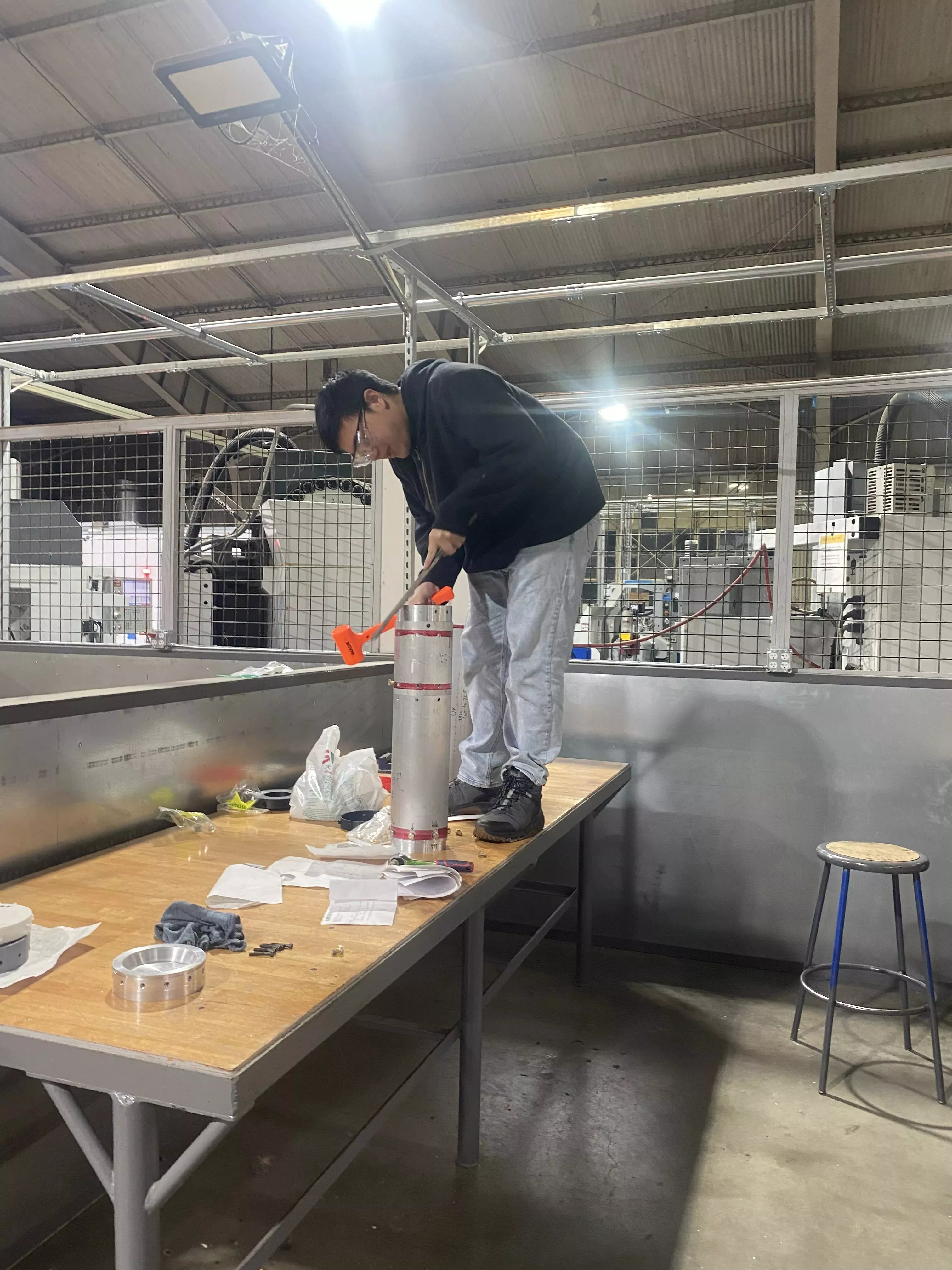
With both our PDR and CDR completed, nearly all design of the vehicle is complete. Over the past 10 weeks we have focused on ordering materials received manufacturing. By the end of February we had fully manufactured and assembled the tanks for all three fluids, ordered the pump's impeller and volute, and received all valve, plumbing, and instrumentation for the GSE. Unfortunately, due to multiple delays and complications with ordering materials through the university progress towards cold flow and hot fire were stalled temporarily.
Plans to cold flow the launch vehicle fluid system are set for early April, preceding an engine hotfire and eventually launch in June.
Stats
Altitude: 13000 ft
Thrust/Weight Ratio: 4:1
Max Thrust: 400 lbf
Burn Time: 10s
Injector Type: 16e Unlike Doublet
Cooling Method: Ablative
Oxidizer: Nitrous Oxide
Fuel: Ethanol
Pressurant: NO2
Length: 10'4"
Diameter: 6"
Wet Mass: 94.2 lbs
Dry Mass: 74.4 lbs
Main Chute: 144" Fruity Chutes
Drogue Chute: 36" Fruity Chutes
GSE
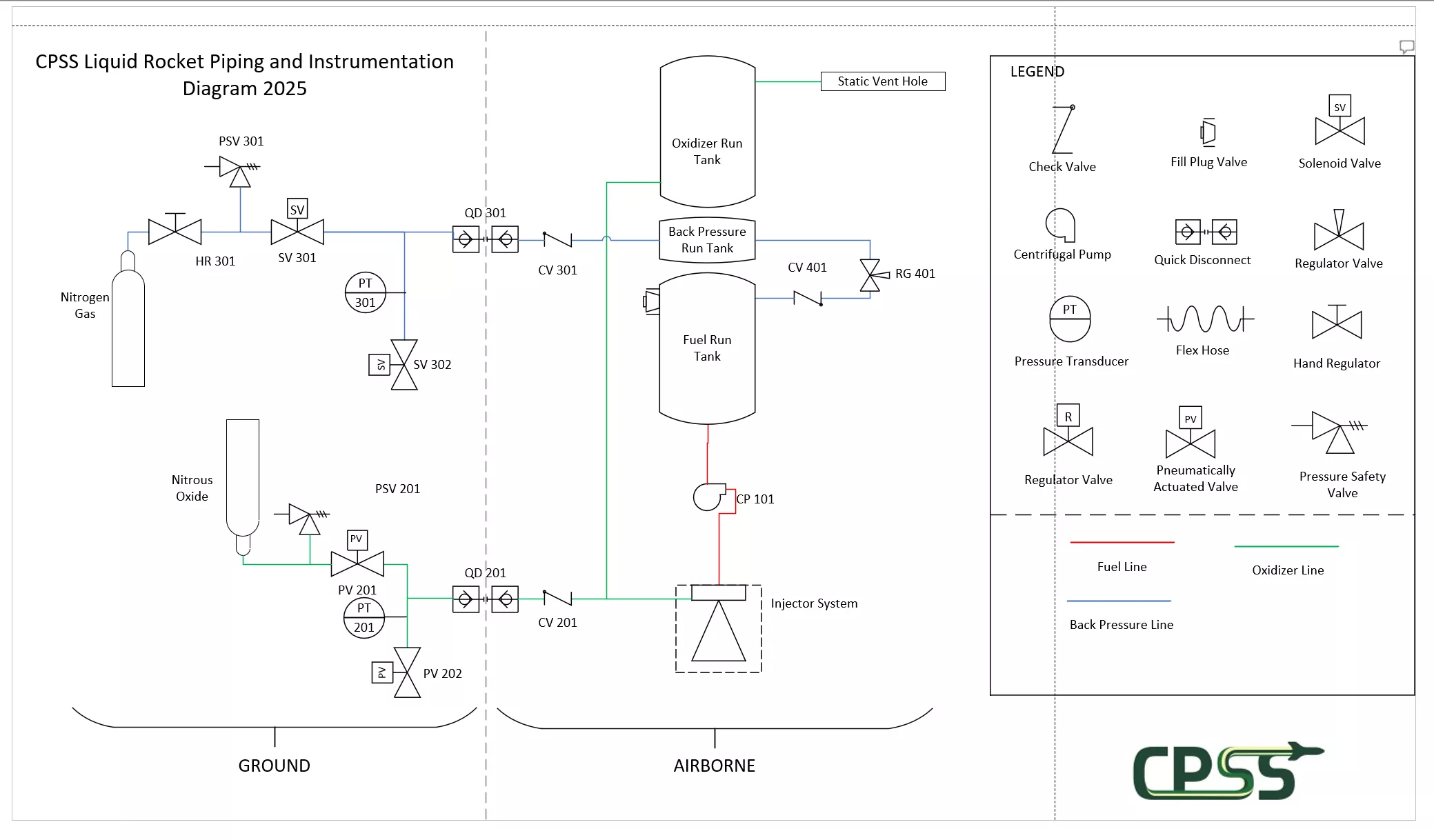
Aside from project management and general fluids contributions, my main part on Archerfish is the Ground Support Equipment, or more simply put: the fluid filling station. From drawing out the P&ID; to selecting and ordering valves, fittings, and plumbing; to welding the stand; and to integrating electronics, I'm responsible for it all.
A majority of the time was spent finalizing the P&ID: having a system that would fail safe, give necessary data, and be compatible with a launch would make all future work much smoother. Once I knew what valves and sensors were needed, I then dove into the complexity of finding fittings and plumbing, as well as the assembly for the physical stand. This process taught me much about fluid system design, from material compatibility to part sourcing to the different types of fittings, to all the hardware and software that accompany rocketry stands.
Quick Disconnects
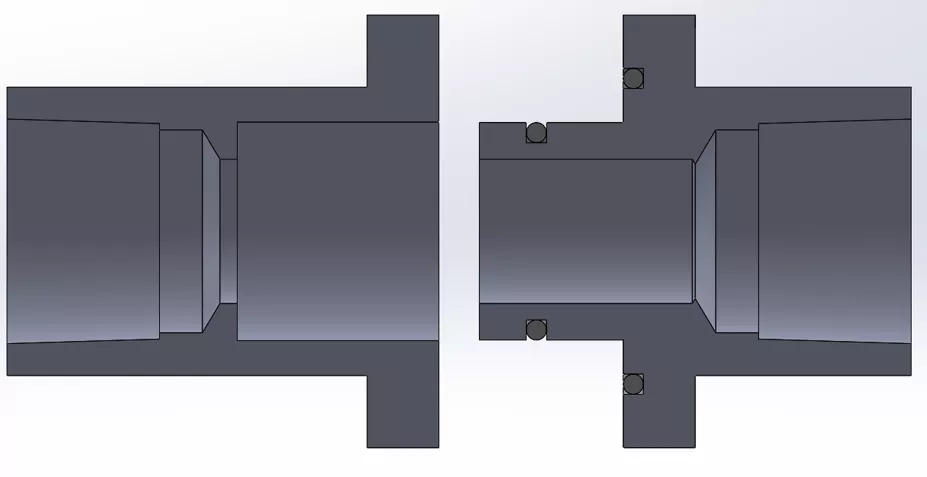
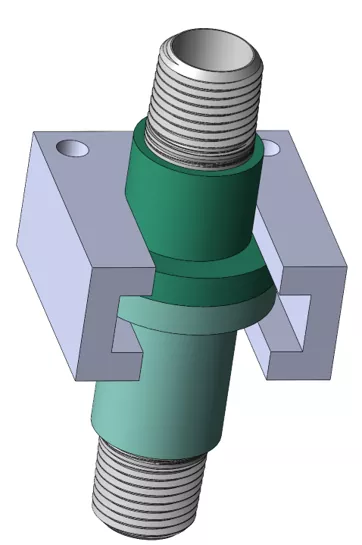
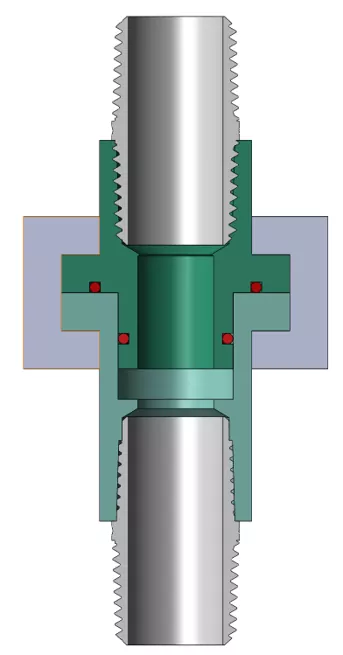
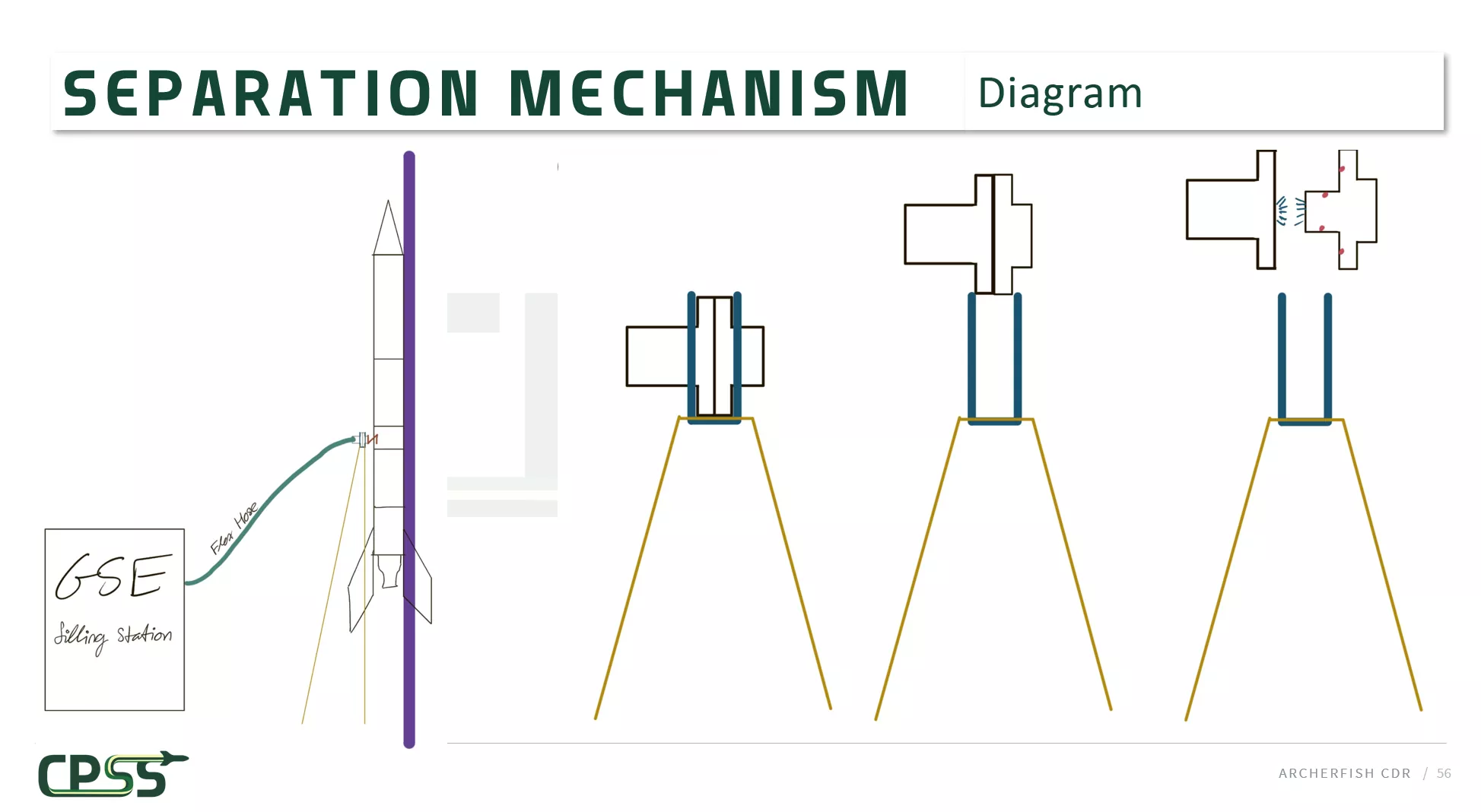
As an extension of the GSE, I was responsible for designing the quick disconnect feature to allow the rocket to launch without bringing the entire fill station with it. We elected to go with a passive separation system to reduce complexity and stumbled upon the Half Cat Rocketry quick disconnect design.
Using the same general mechanism I redesigned the QDC to fit the GSE plumbing diameter, added another O-Ring per suggestion from design reviews. Plans for testing include a low pressure analog situation where the ascension of one side of the line will be replicated.
The concept of operations can be found in the carousel below: