PEPPR
Poly Electric Propulsion and Plasma Research is an undergraduate lab group I established this year to bring back plasma and EP research to my campus. With 6 different thrusters across all flavors of EP (GIT, PPT, Electrospray, etc) and a handful of functional but abandoned vacuum chambers I have plenty of projects to work on with my members.
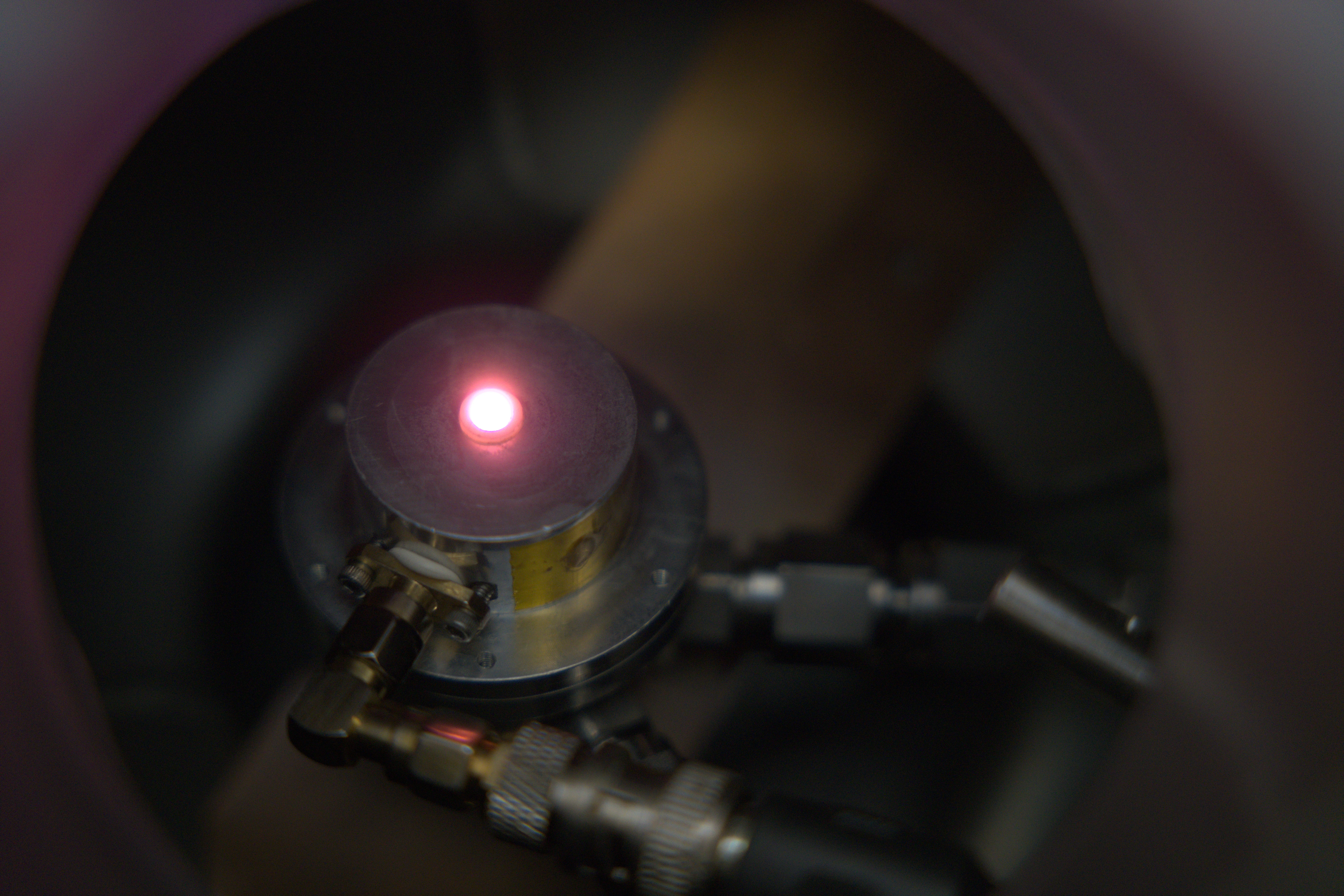
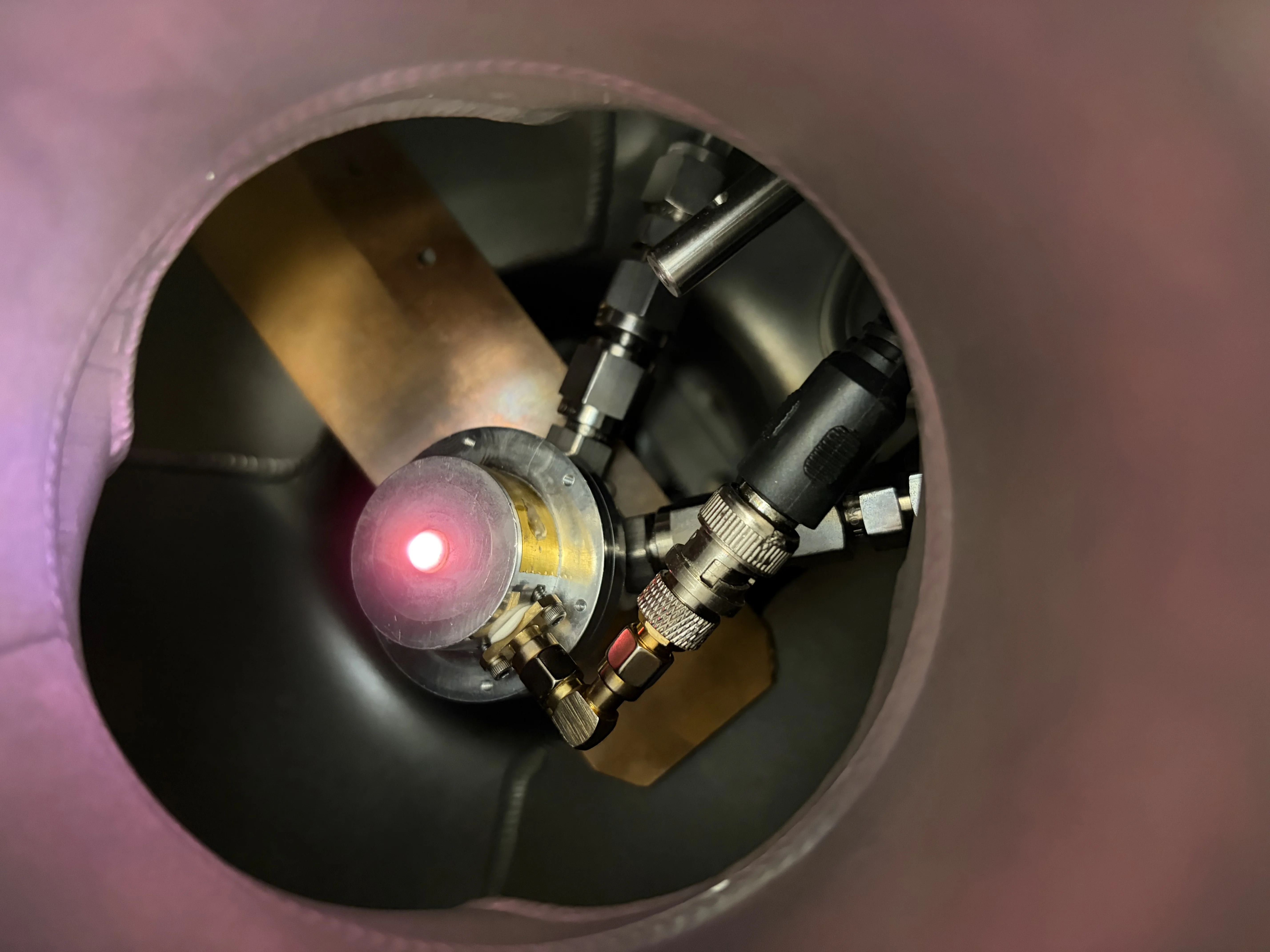
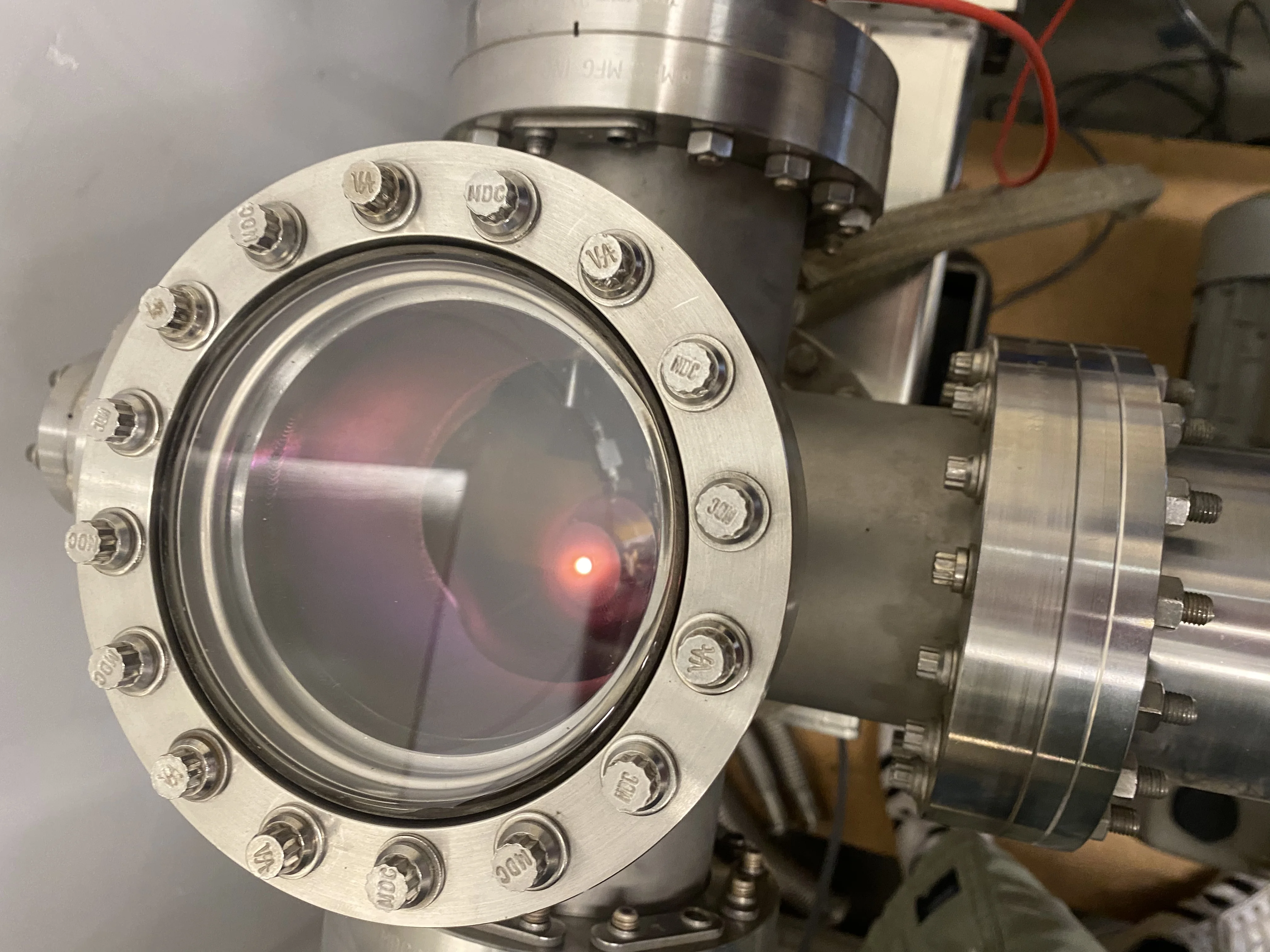
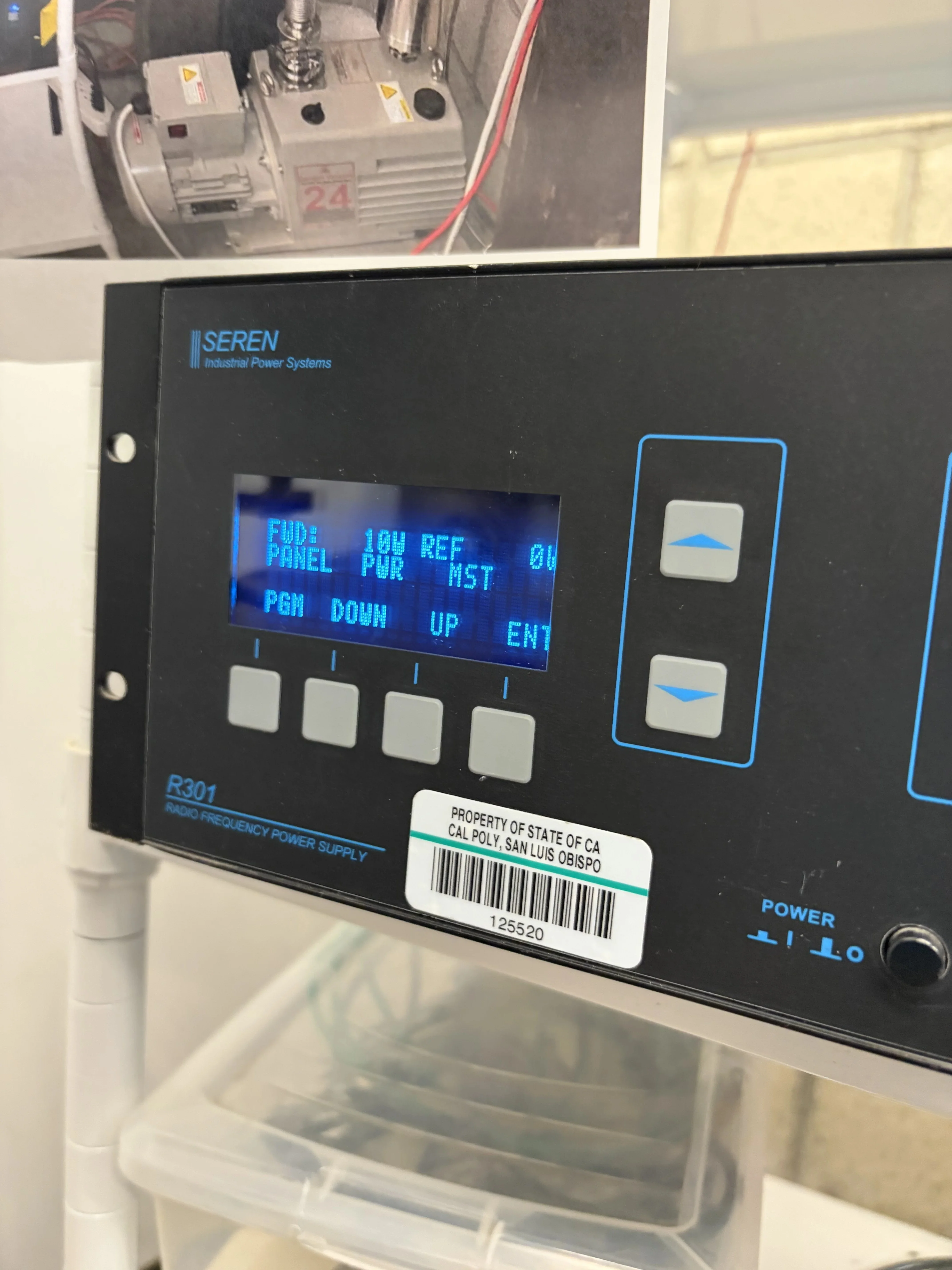
Radio Frequency Electro Thermal Thruster
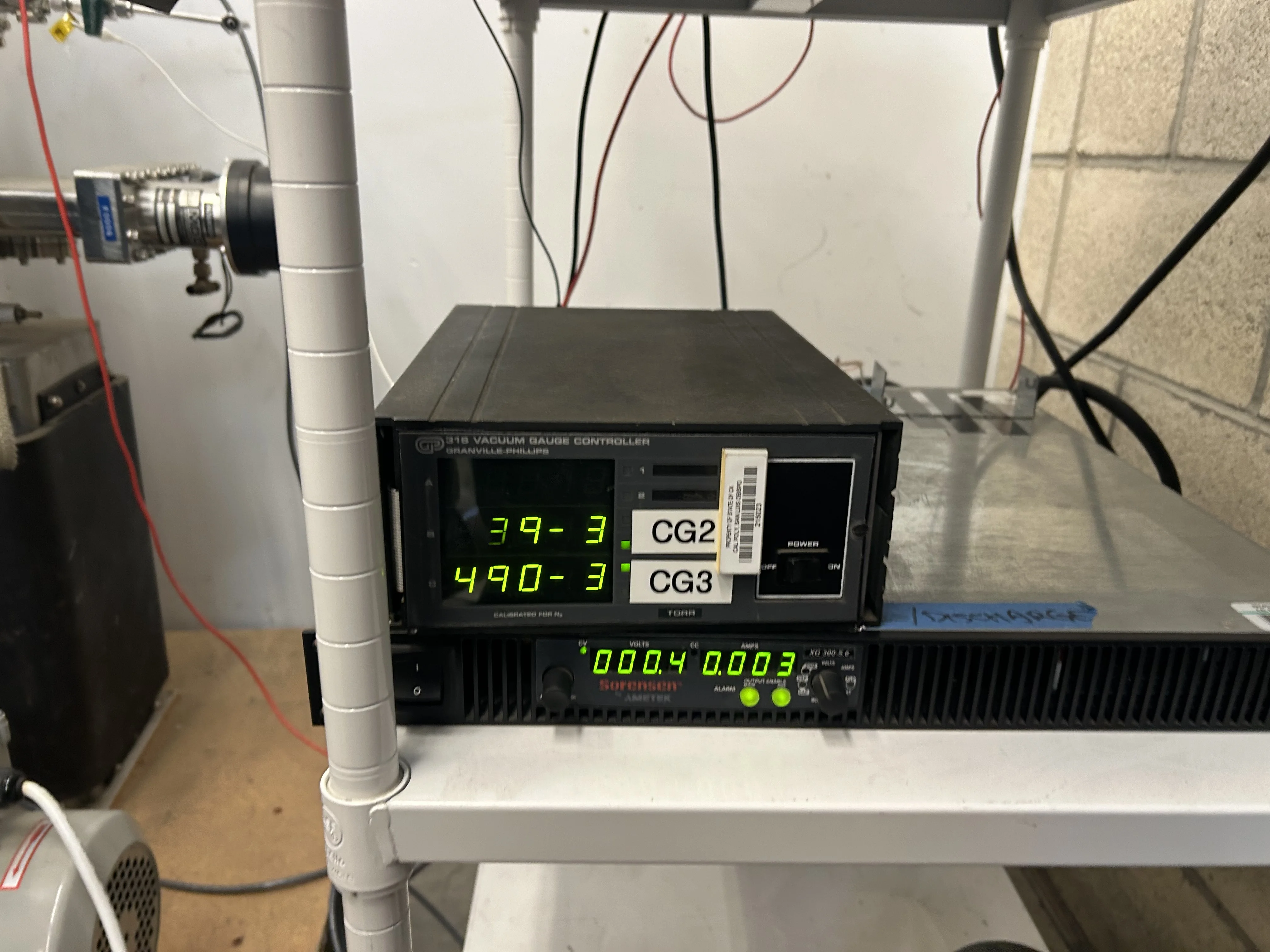
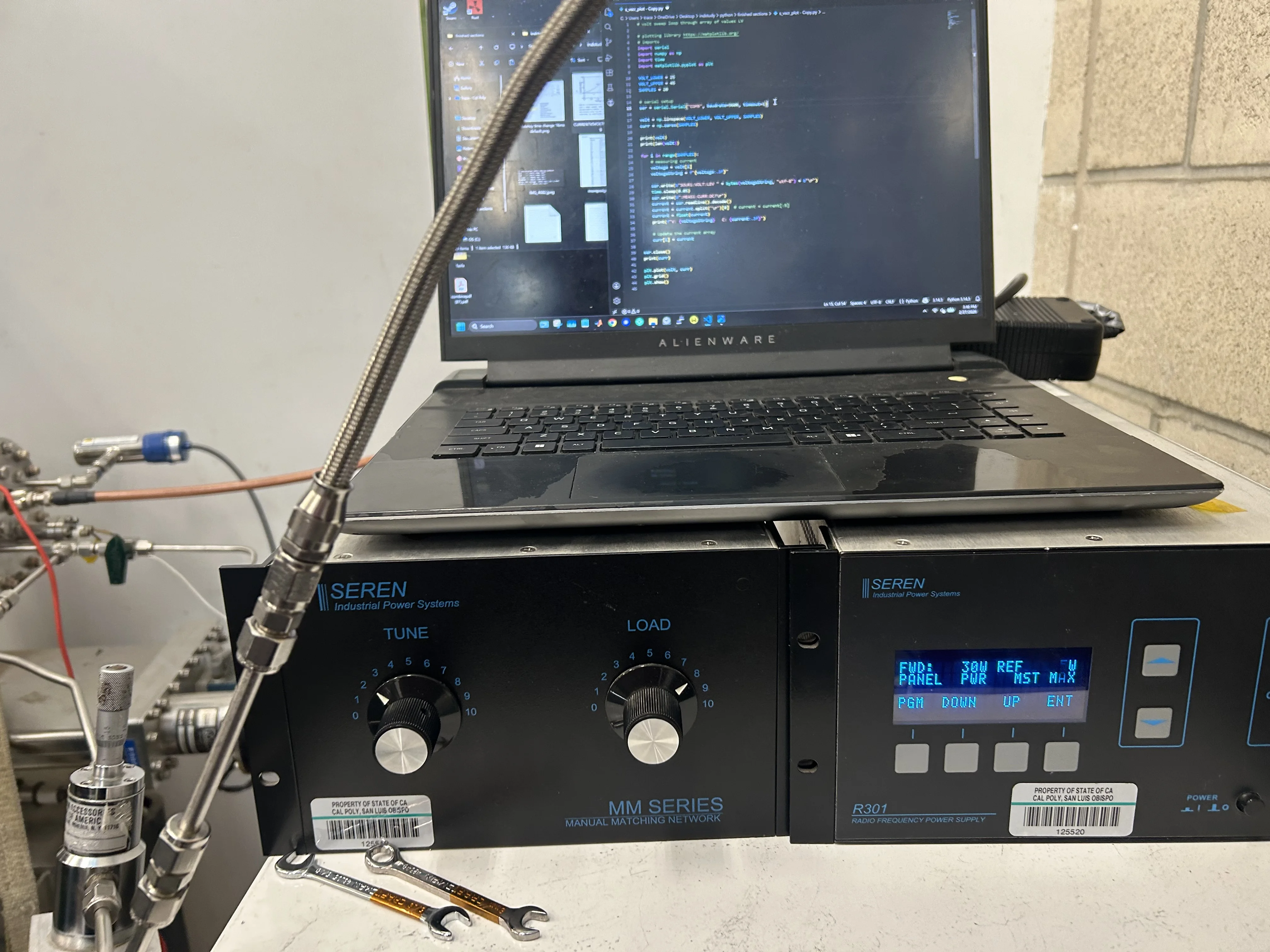
Affectionately named Pocket Rocket, this thruster is a low-power, low-cost propulsion platform specifically designed for use in nanosatellites such as CubeSats. Using a 13.56 MHz signal reignition was achieved after 5 years of inactivity.
Currently work is being done to gather Langmuir probe data of the pocket rocket plume using a power supply to automatically sweep voltage. After which different molecular propellants will be tested such as CO2 and N2 to investigate the thruster's potential for very low Earth orbit applications.
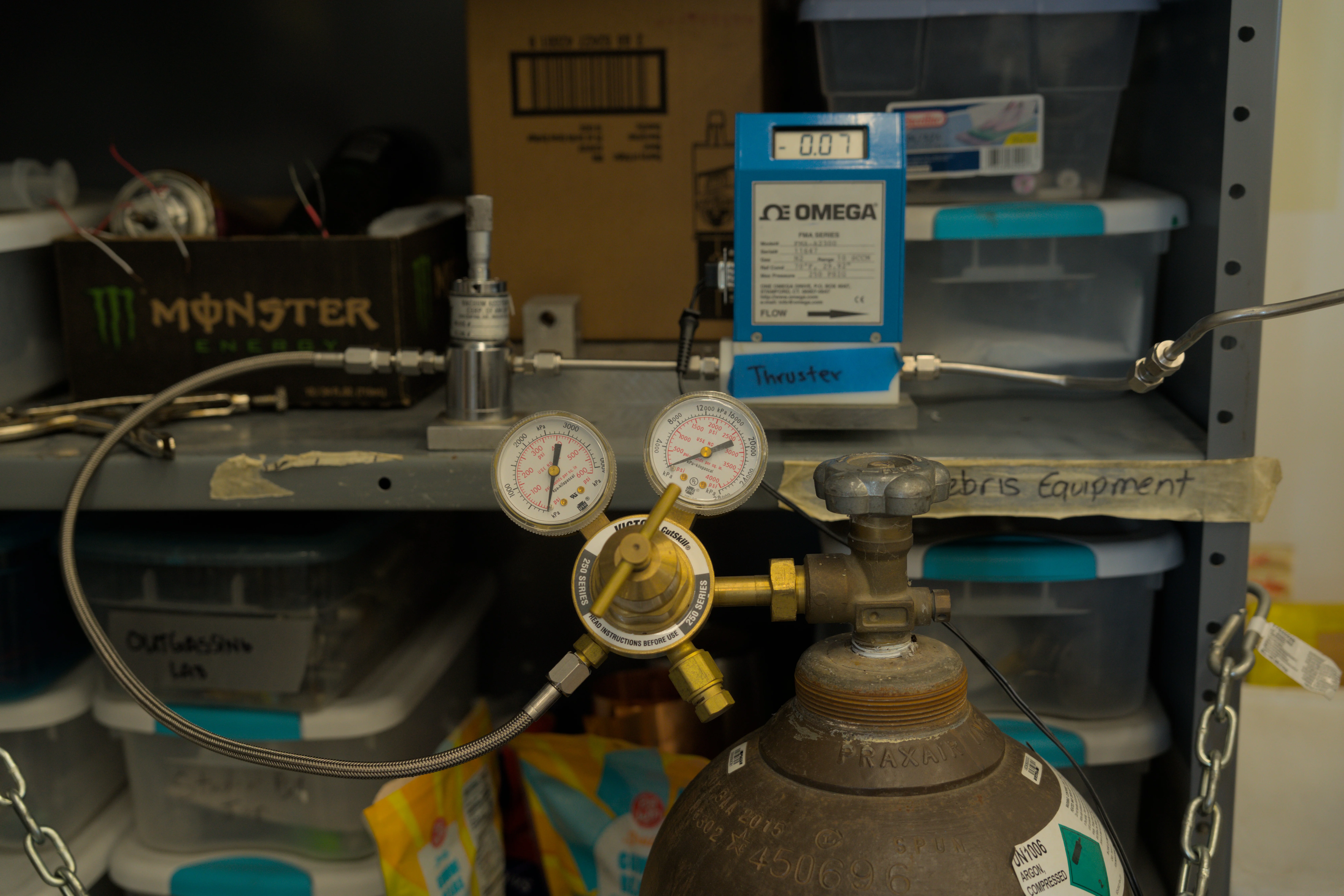
Working with this thruster has given me the opportunity to familiarize myself with RF power sources / matching network boxes and practice troubleshooting feedthroughs, communicating with power supplies, and mass flow controllers.
Hollow Cathode for MIXI
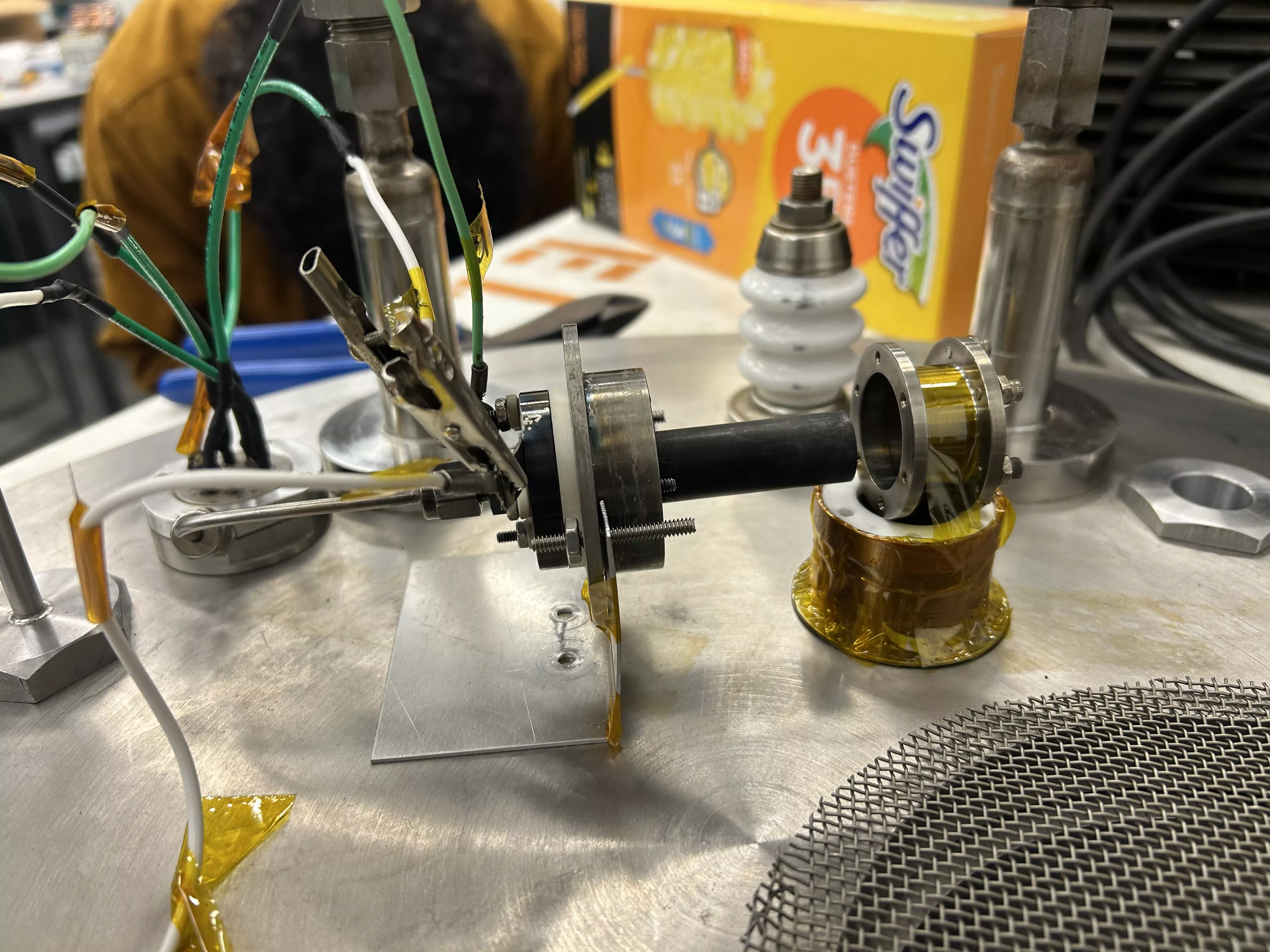
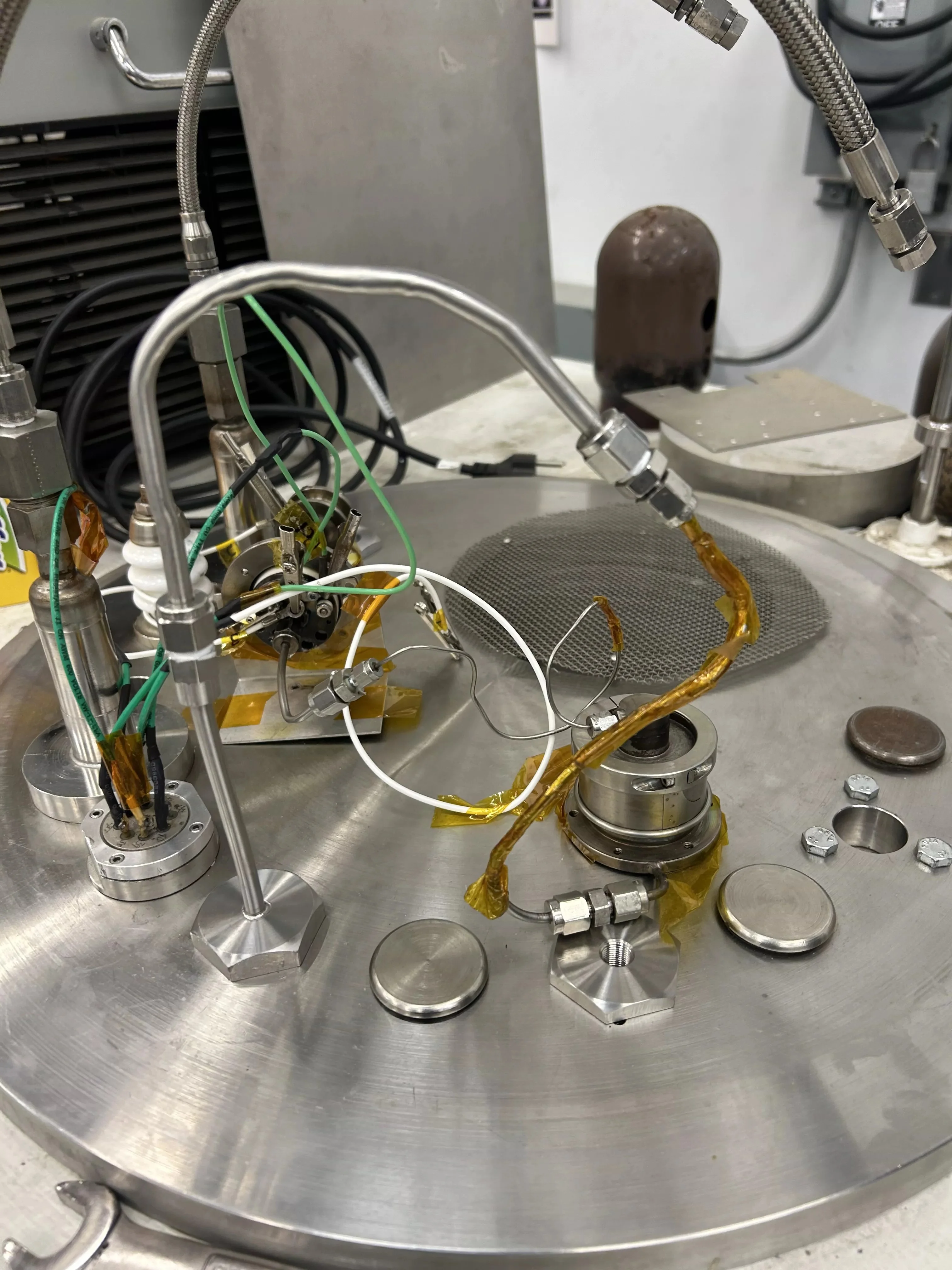
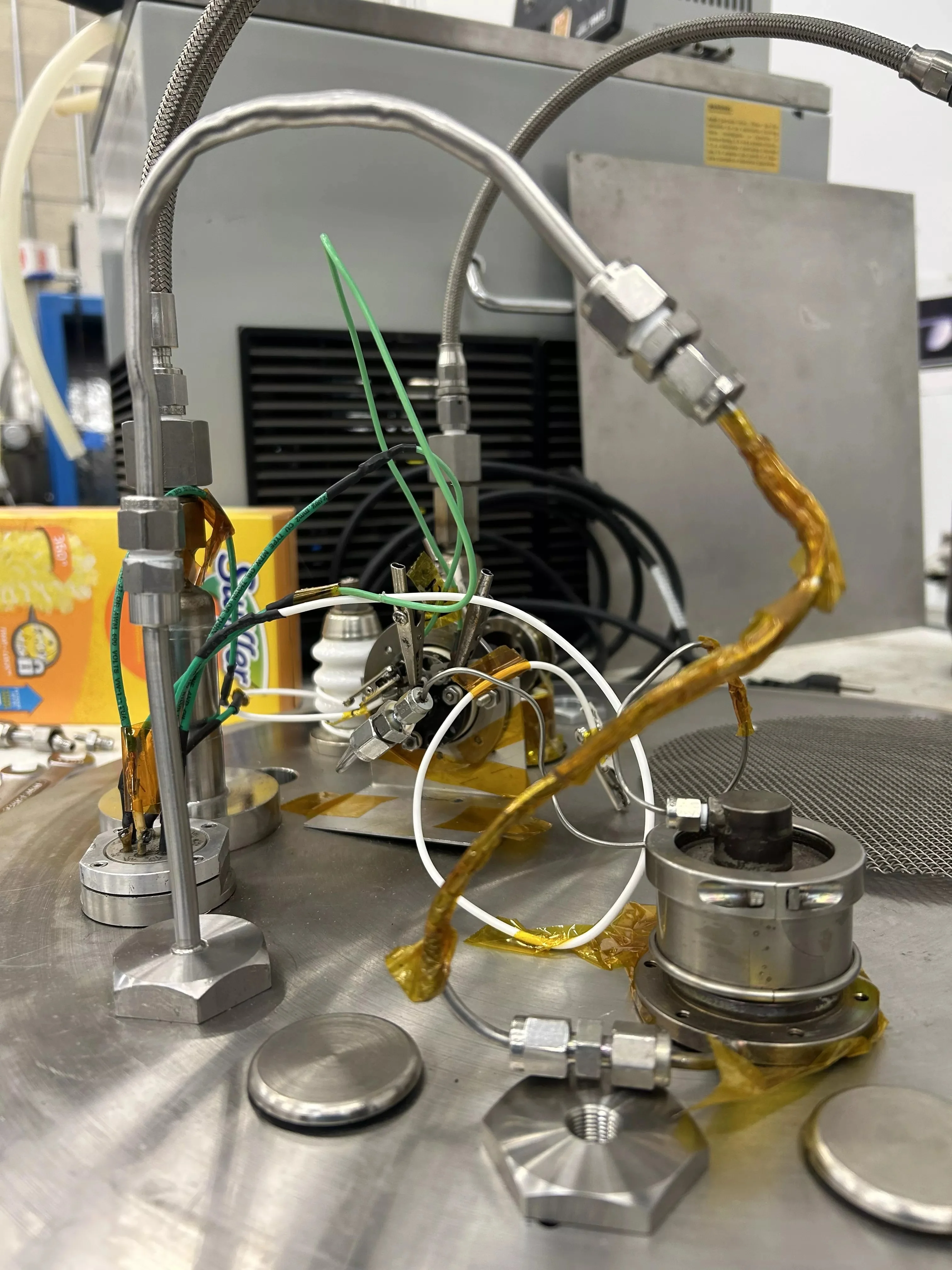
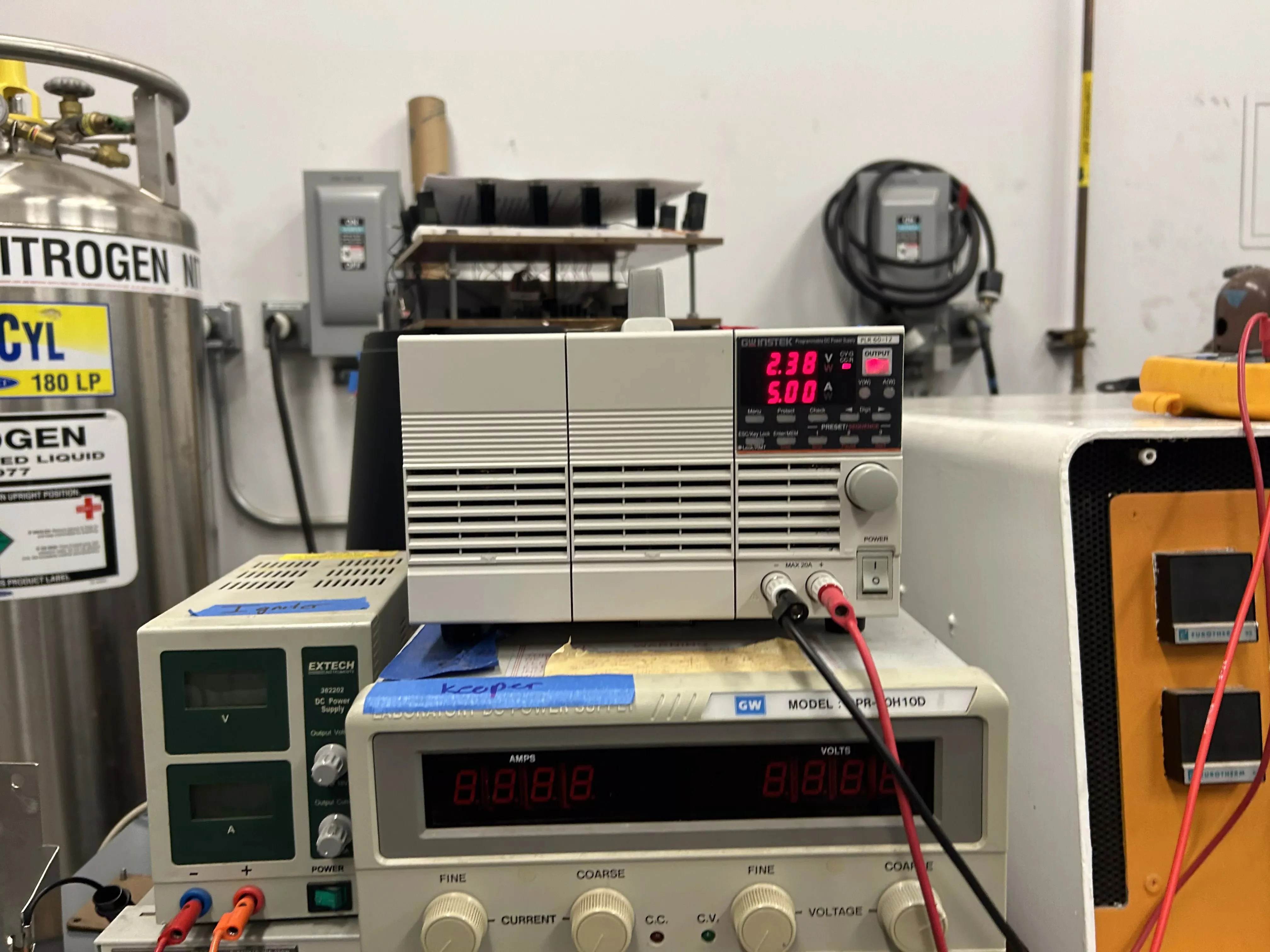
The Miniature Xenon Ion Thruster (MIXI) is a 3cm GIT left behind by graduate student work fueled by Xenon and a traditional hollow cathode. Most of the work so far on this project has been verifying that the cathode is not poisoned. We started with in-atmosphere analysis using a precise ammeter which at worst indicated poisoning and at best was inconclusive. Unfortunately, a series of vacuum chamber leaks and lack of electrical feedthroughs stalled cathode ignition tests.
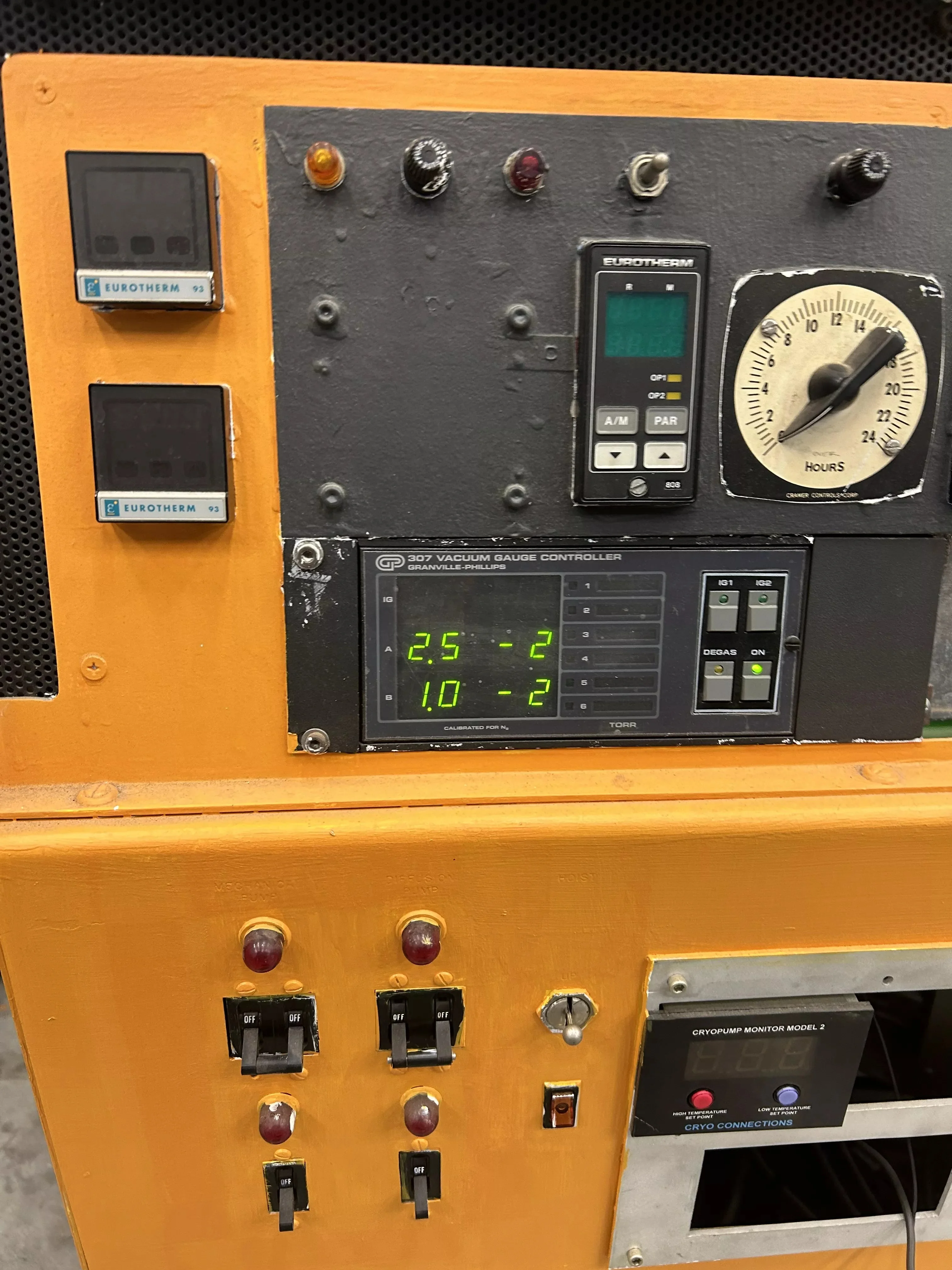
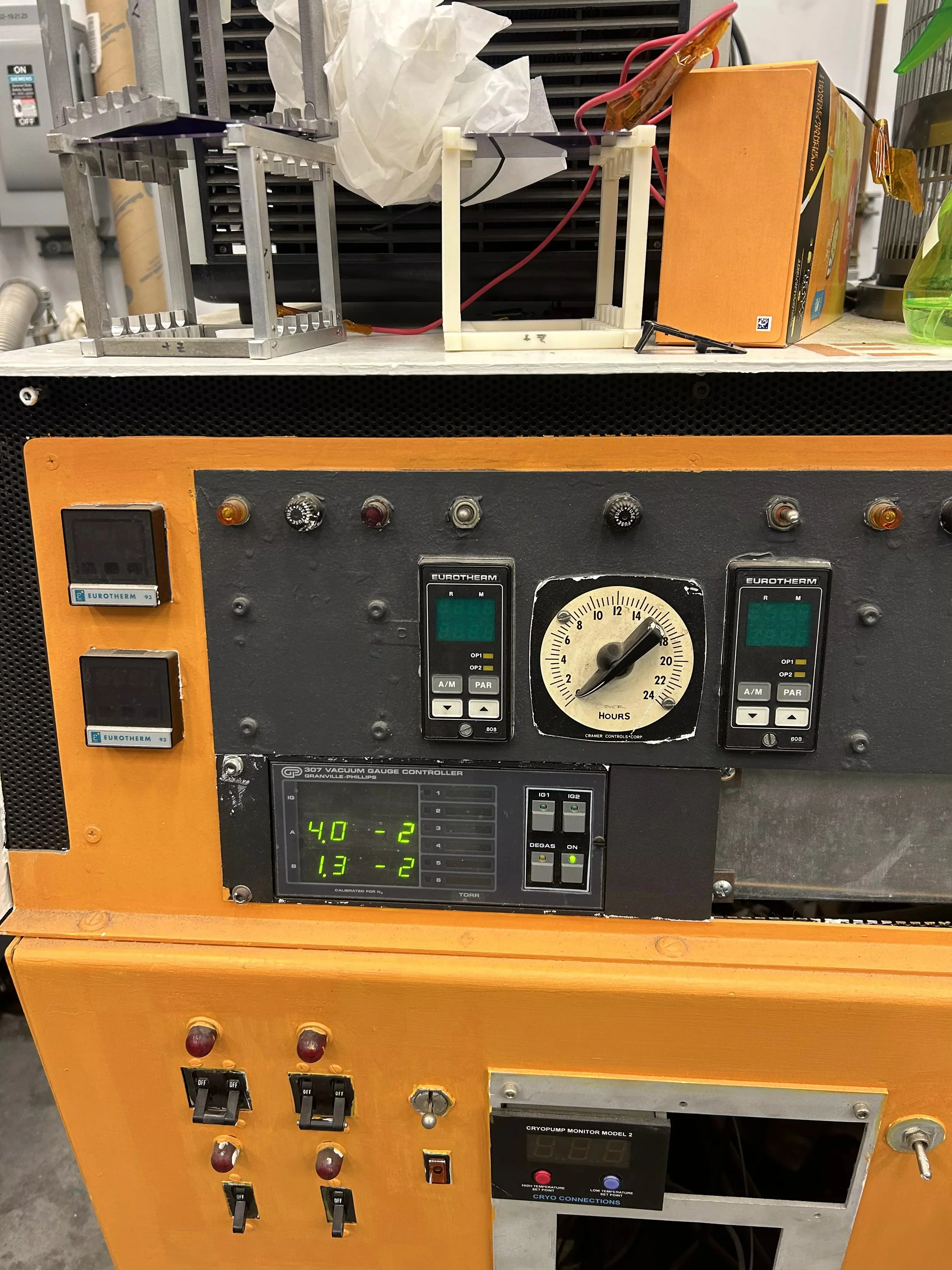
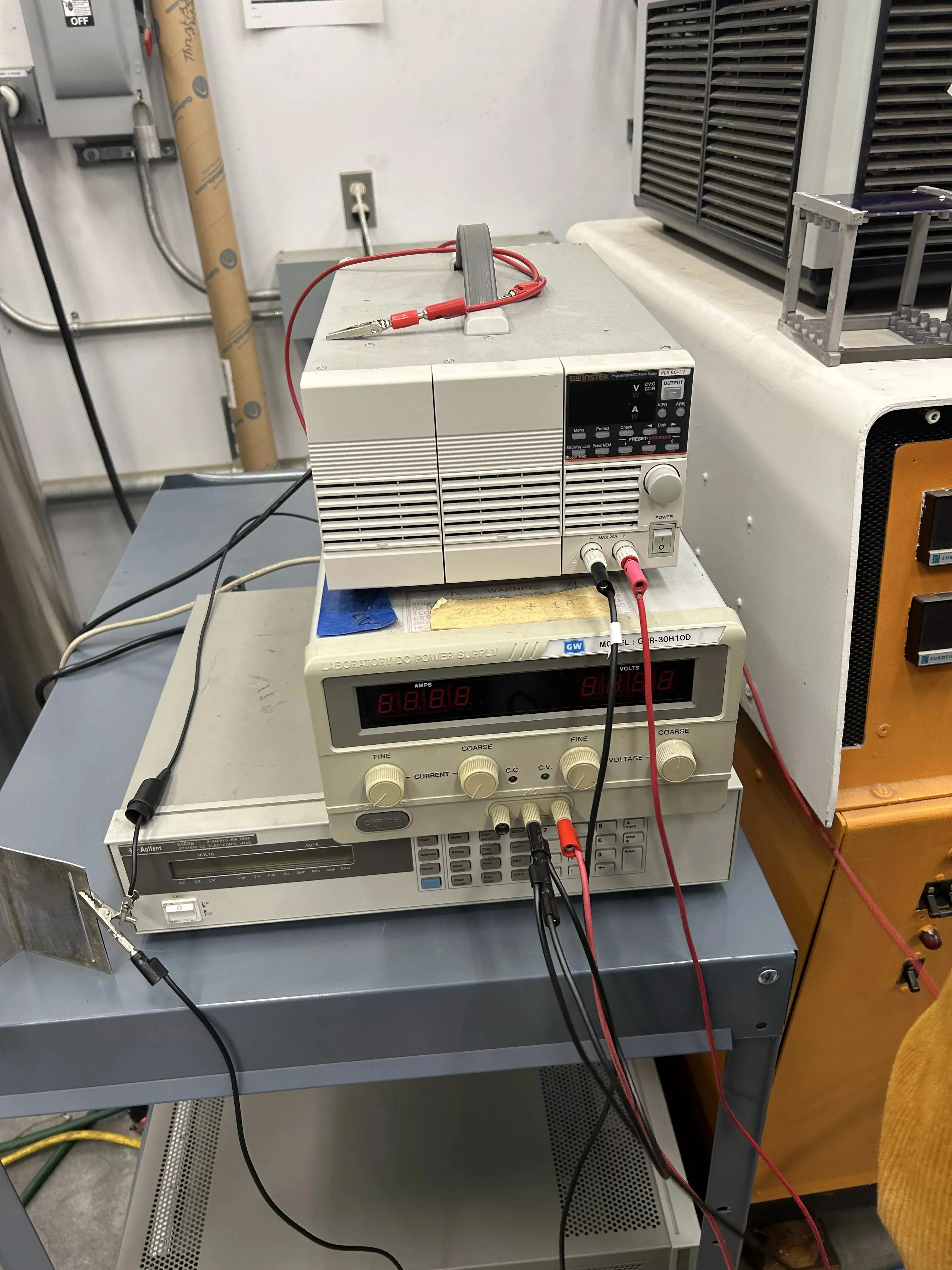
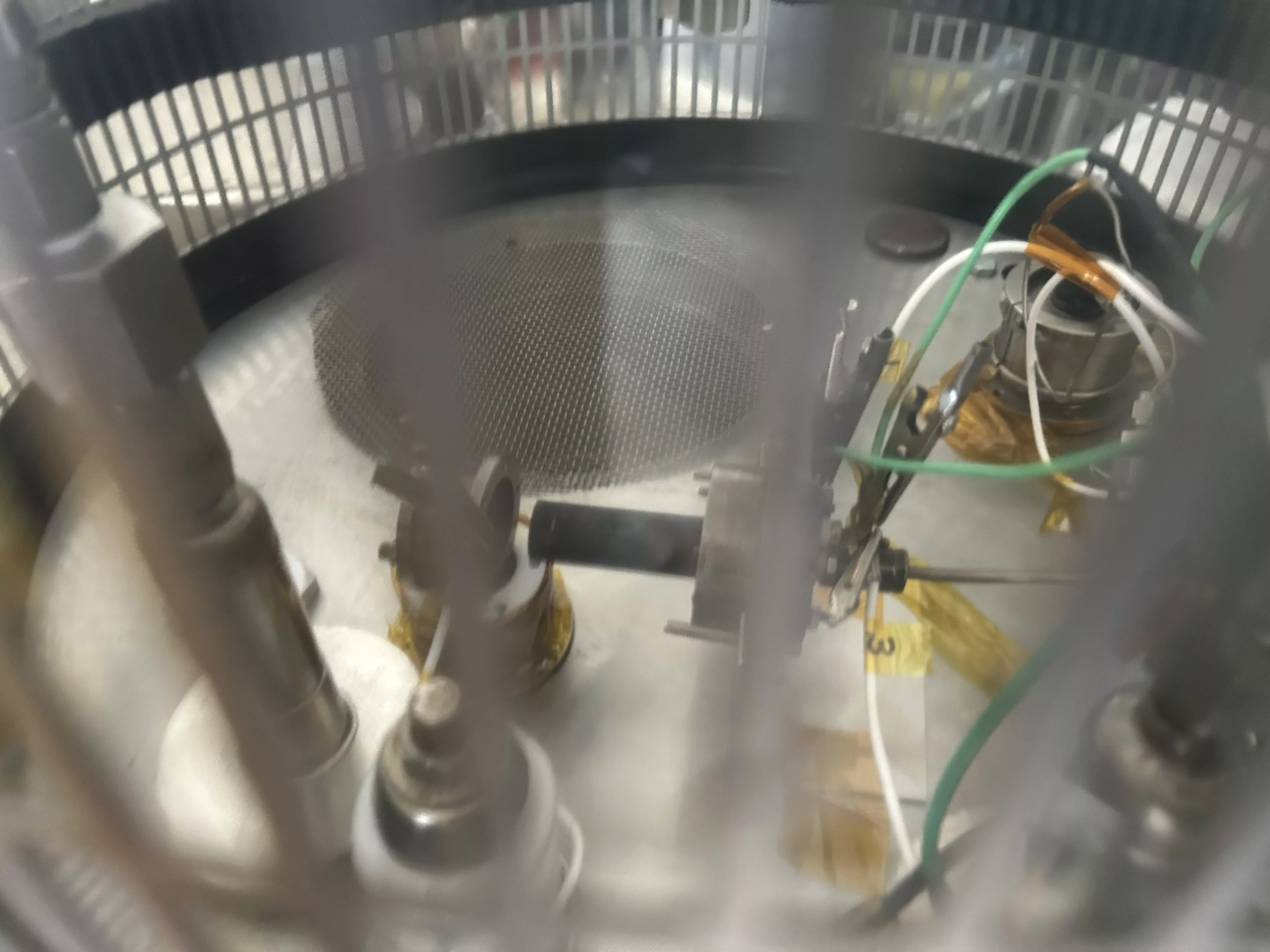
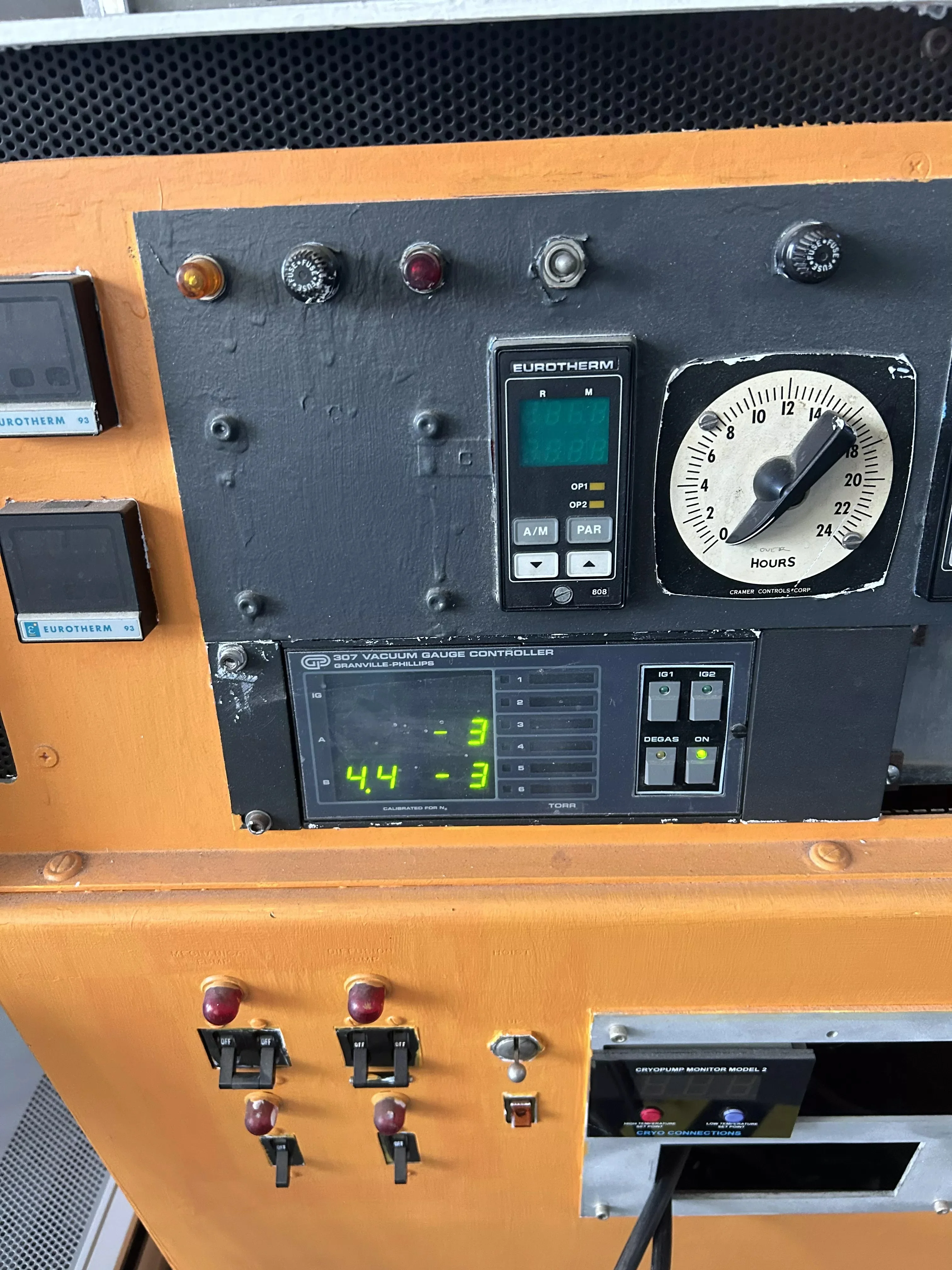
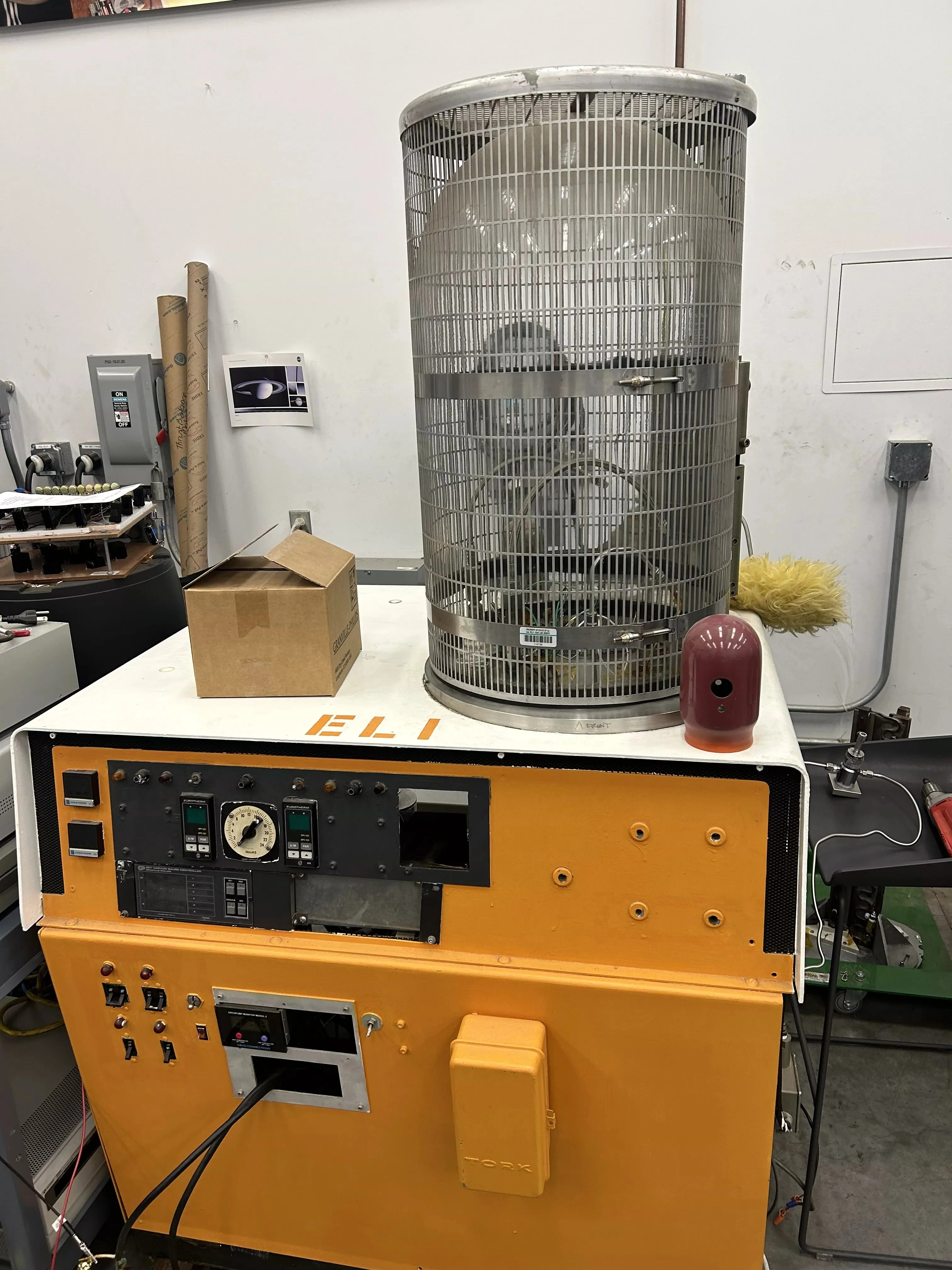
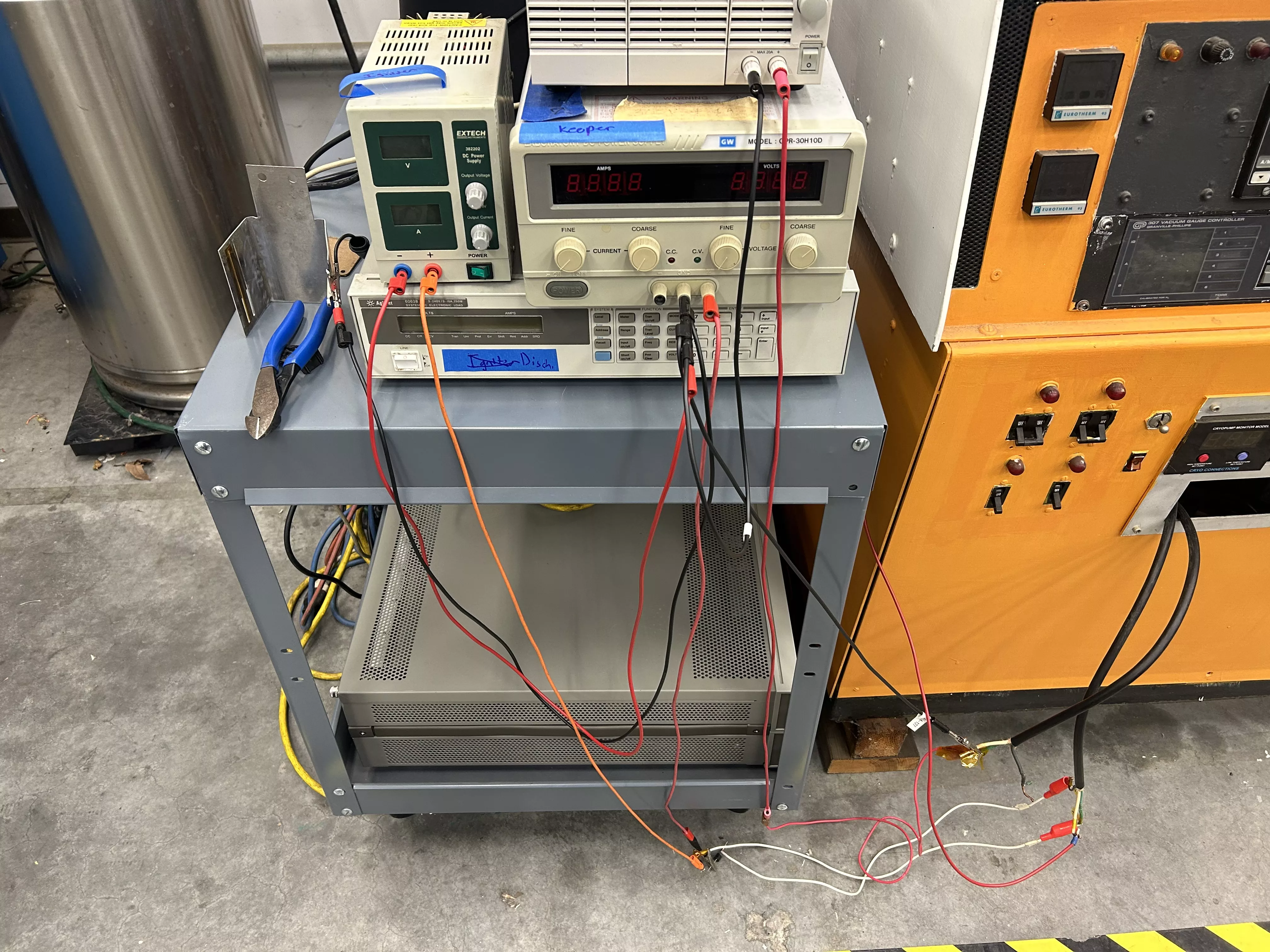
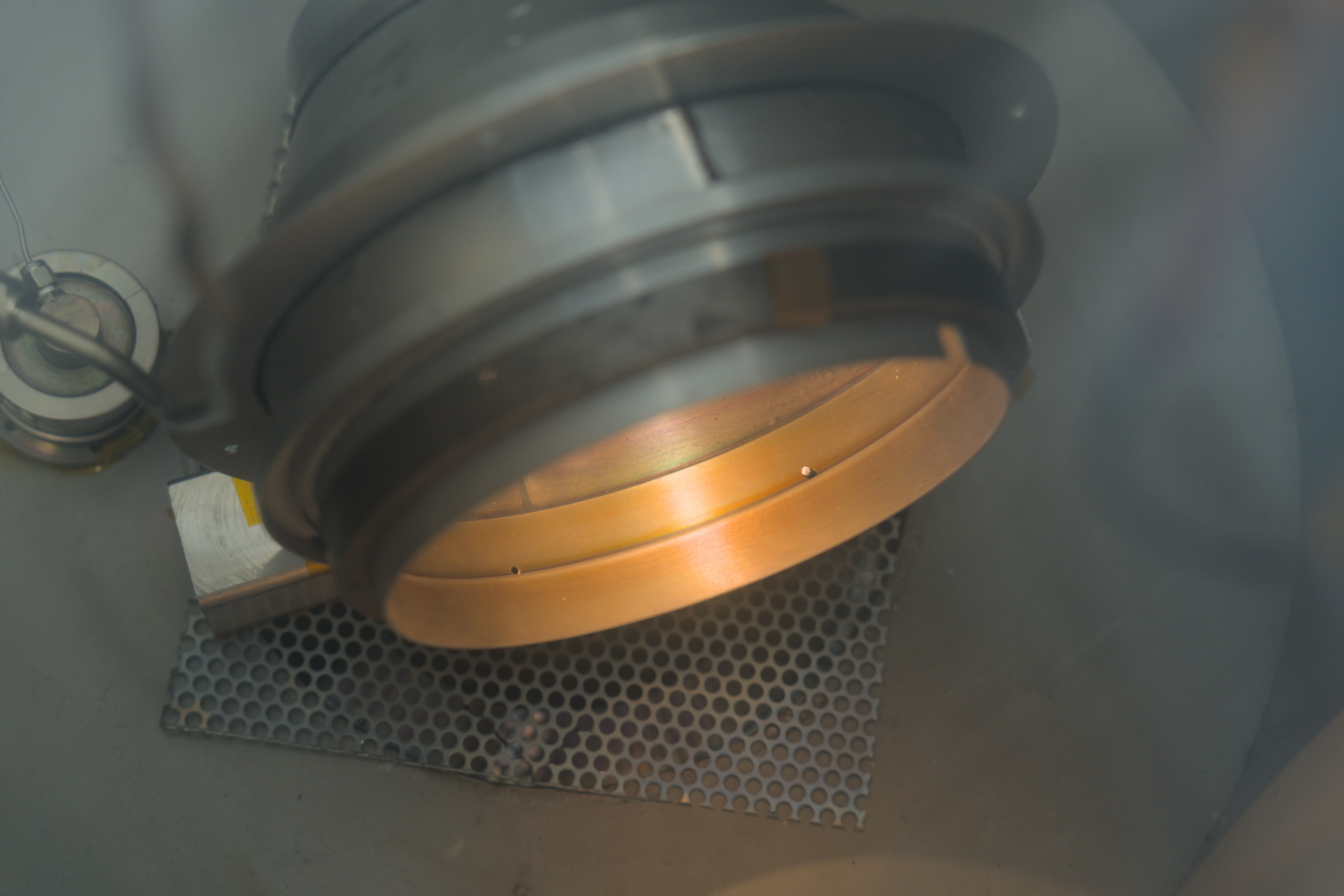
Amidst repairs we switched vacuum chambers to the orange one pictured above and proceeded to attempt ignition. While the heater power supply did elicit an increase in pressure indicating outgassing of the thermionic insert, no light was visible and we were unable to get the keeper to strike.
Our next steps in reviving MIXI are to disassemble and further inspect the cathode while looking into alternatives such as replacing the insert or designing a HHC.
15cm Gridded Ion Thruster
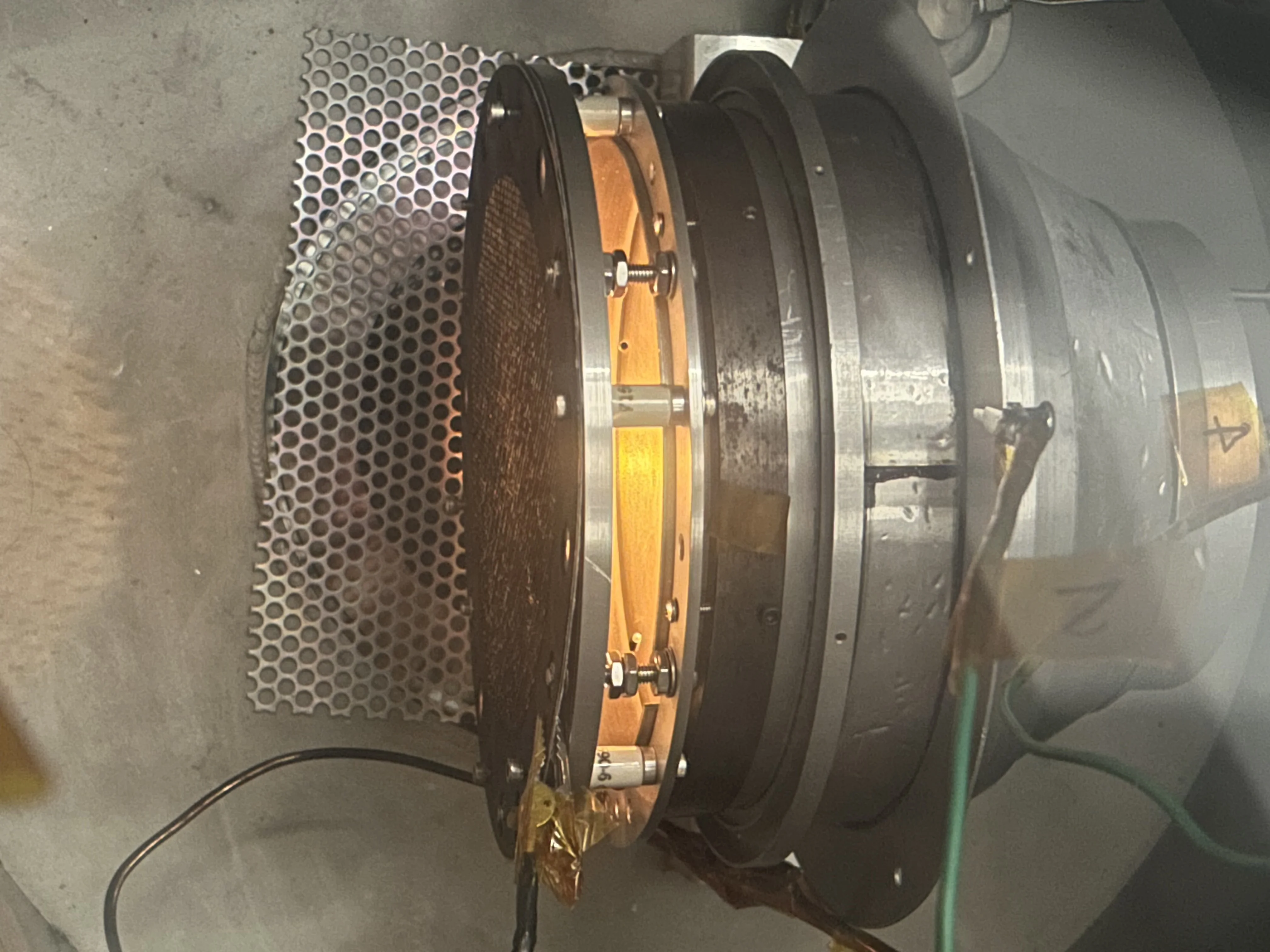
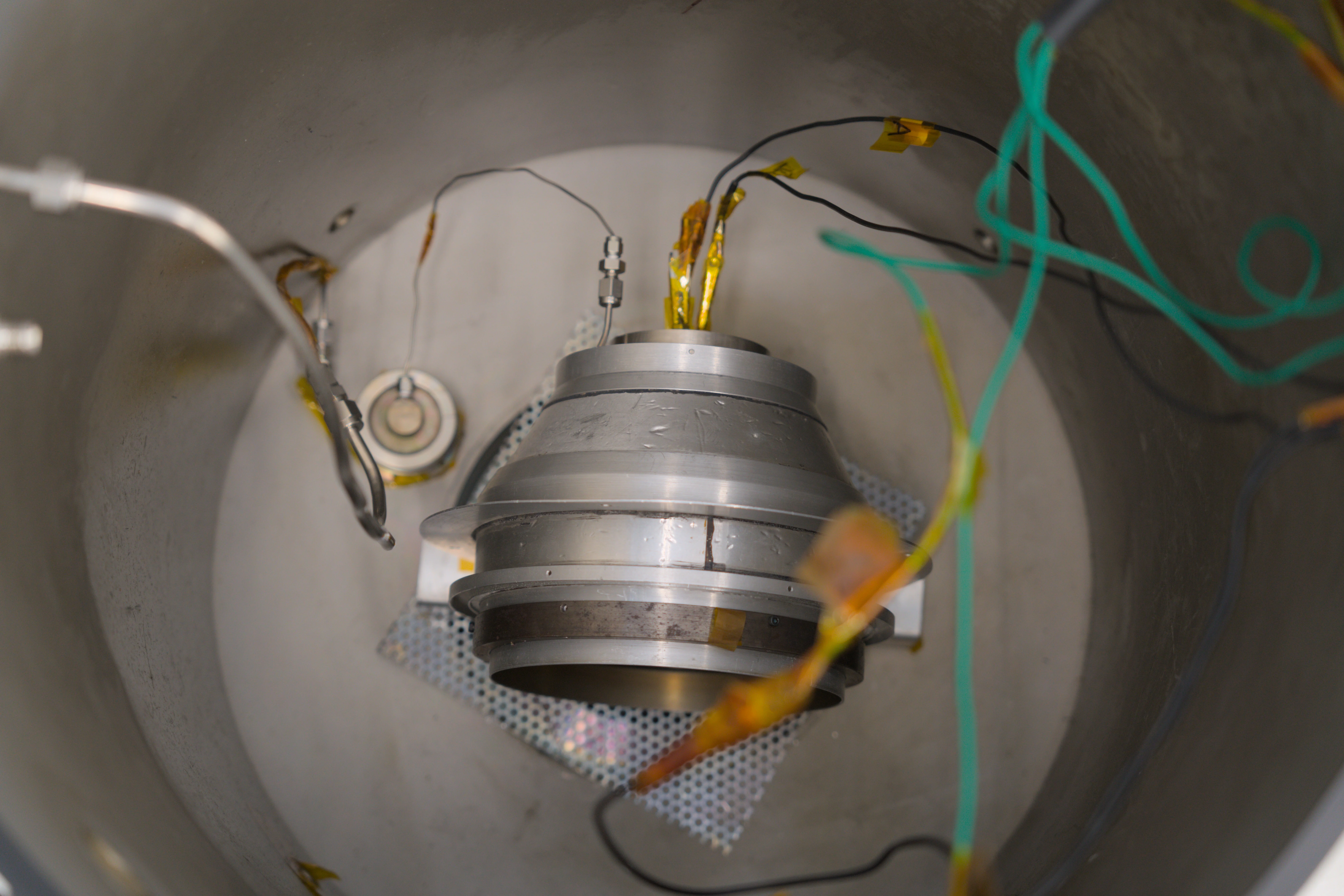
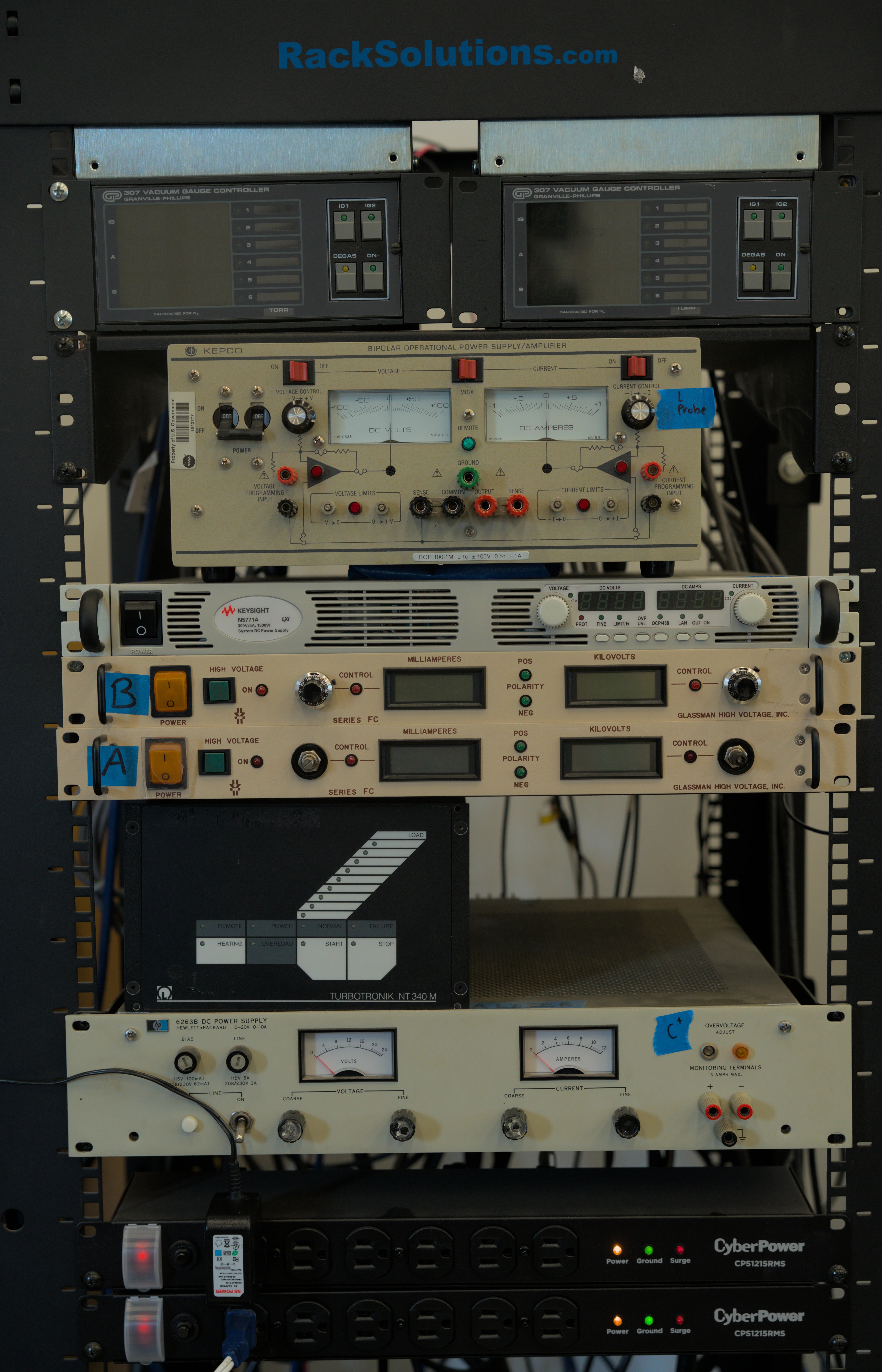
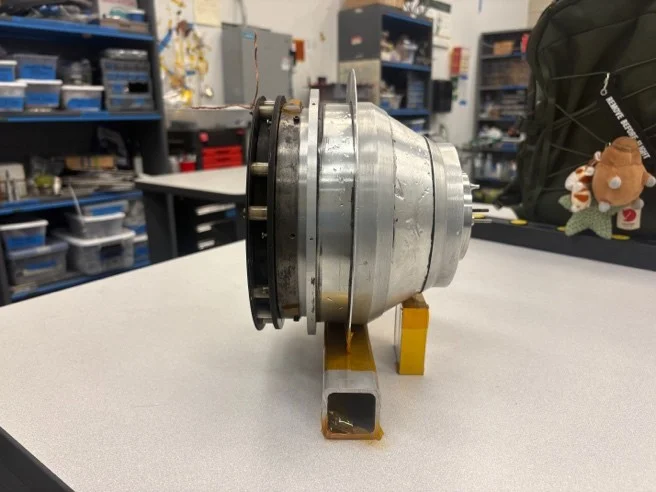
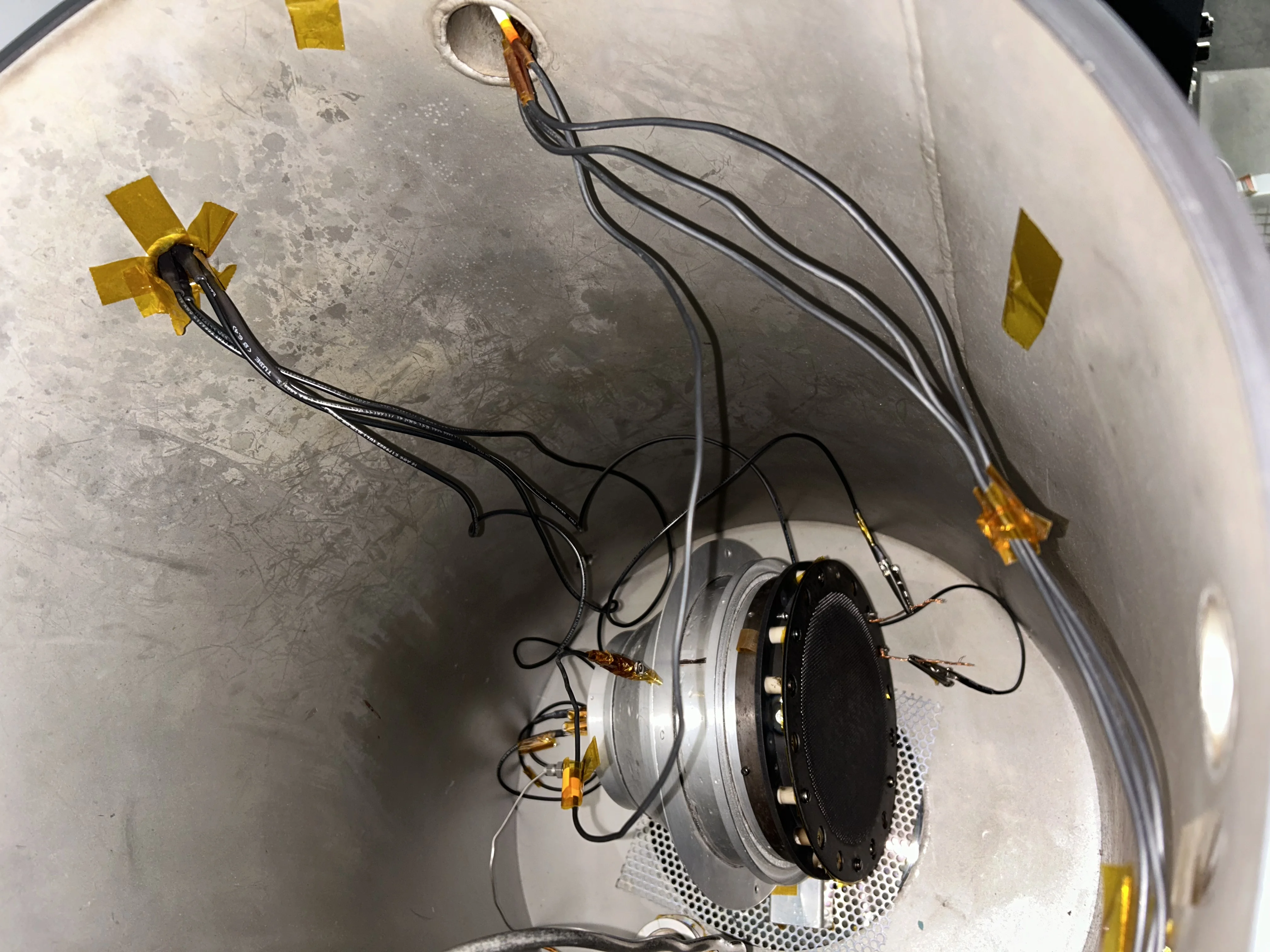
This Kaufmann style 15cm gridded ion thruster was donated to Cal Poly by JPL in 2005. Over summer I was tasked with seeing to its revival: reassemble, source power supplies, attach grids, and perform analysis on the plume.
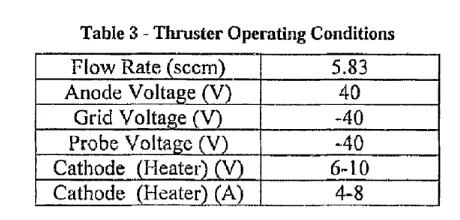
Using a 2006 master's thesis as reference for operating procedure two sets of grids were experimented with. Unfortunately, in neither case was I able to get proper plume extraction, likely due to shorting between grids. Due to the physical size and feedthrough constraints of the chamber being used I have not yet been able to acquire Langmuir data.
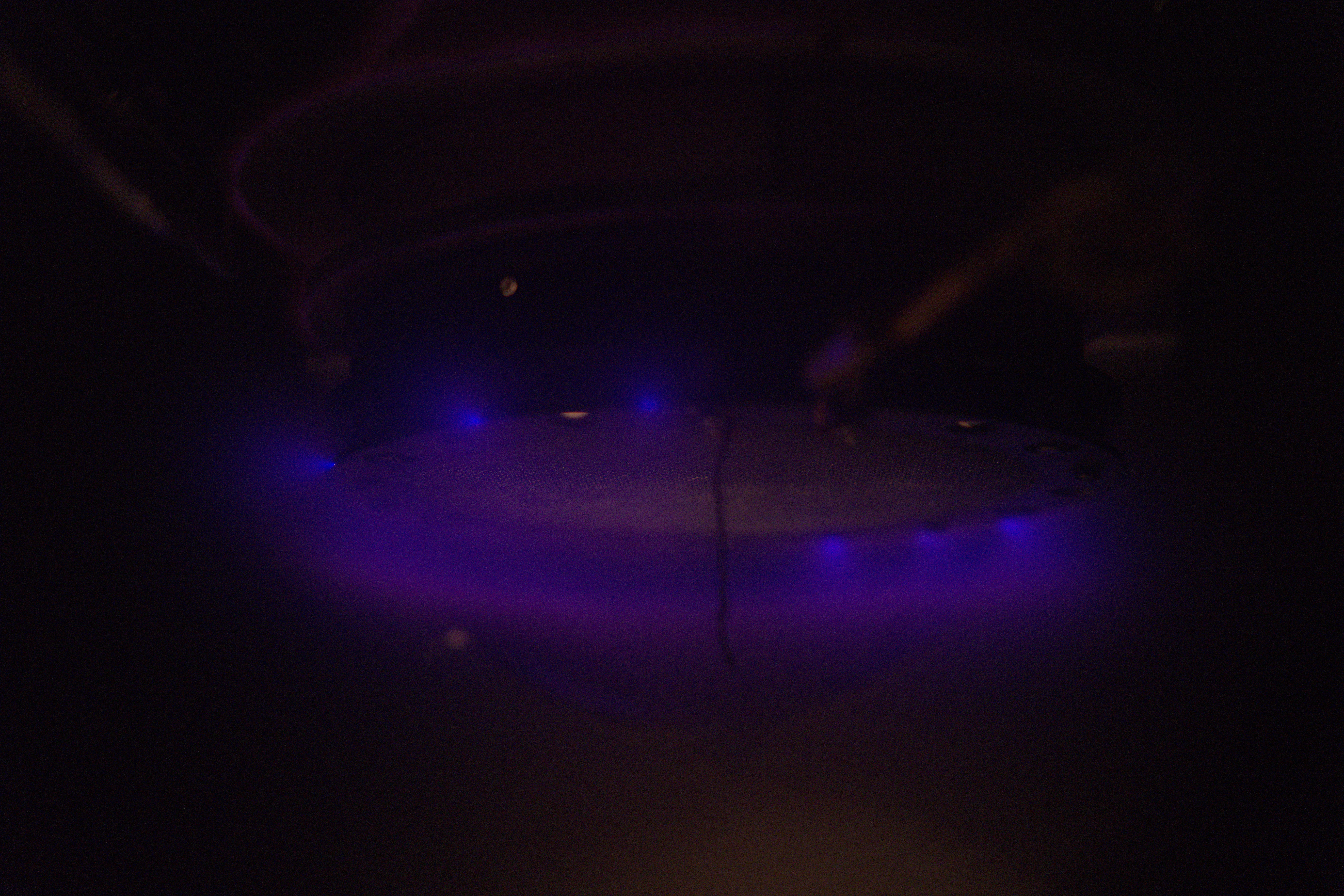
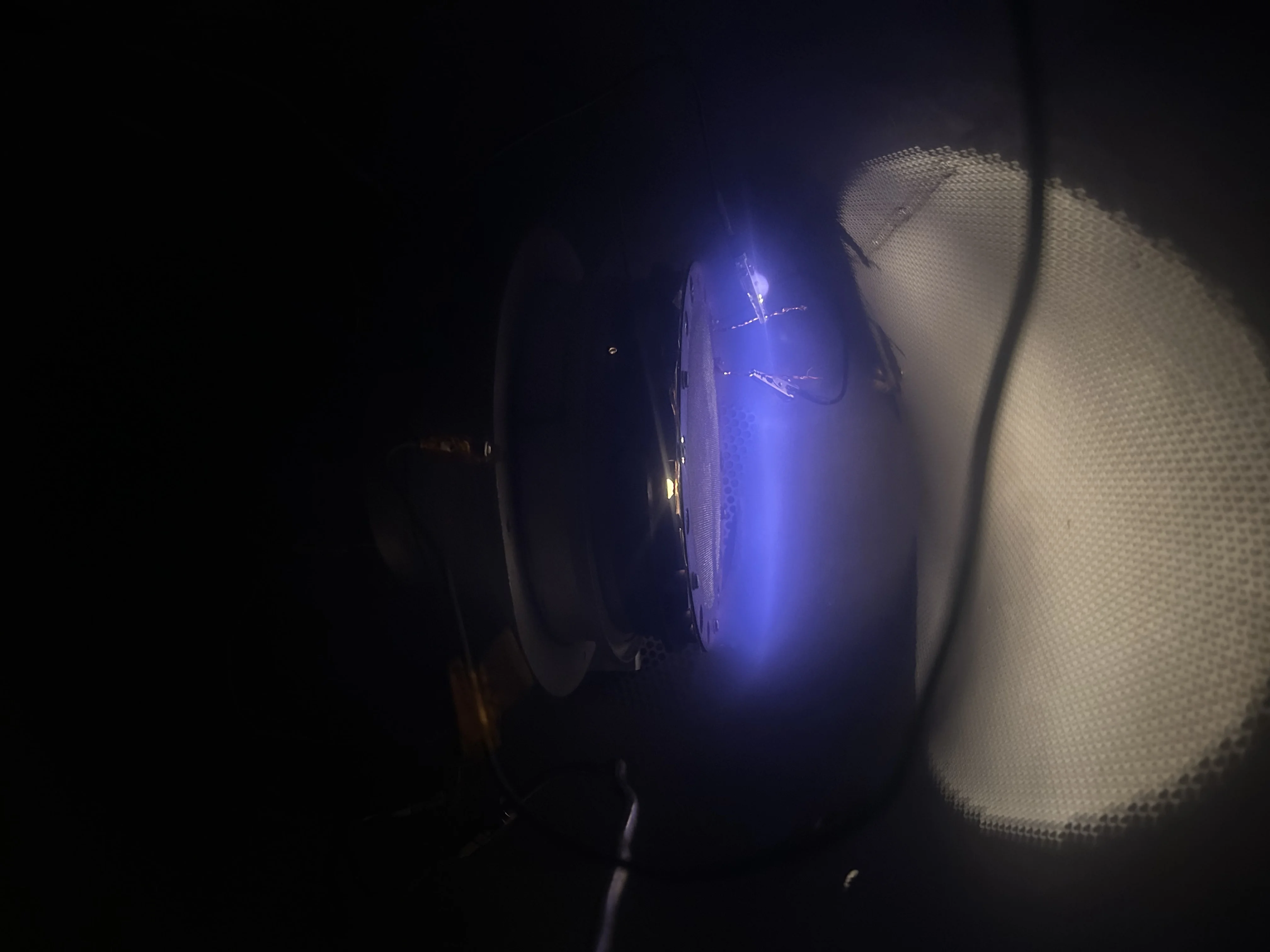
An additional drawback of the vacuum chamber is the ring of plasma that can be seen on the rim of the grids. Relatively high base pressure means enough molecular density for the high voltage difference between the two grids to create unwanted exterior plasma.