Summary
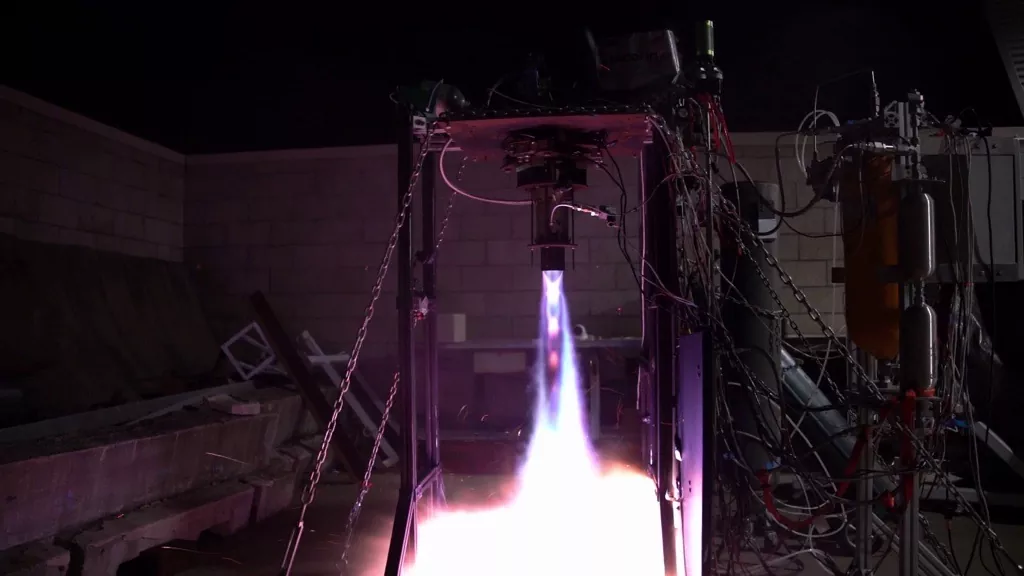
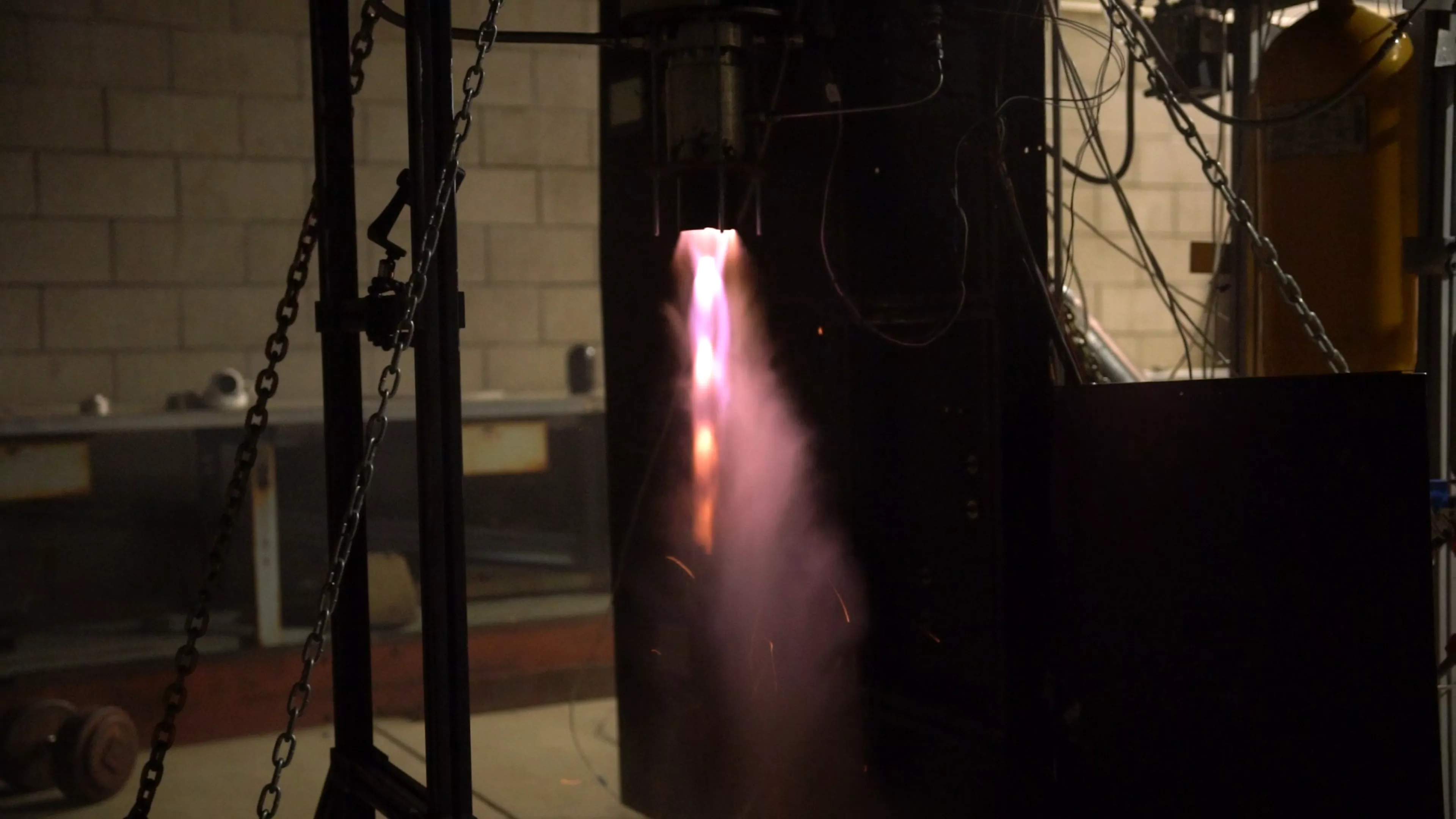
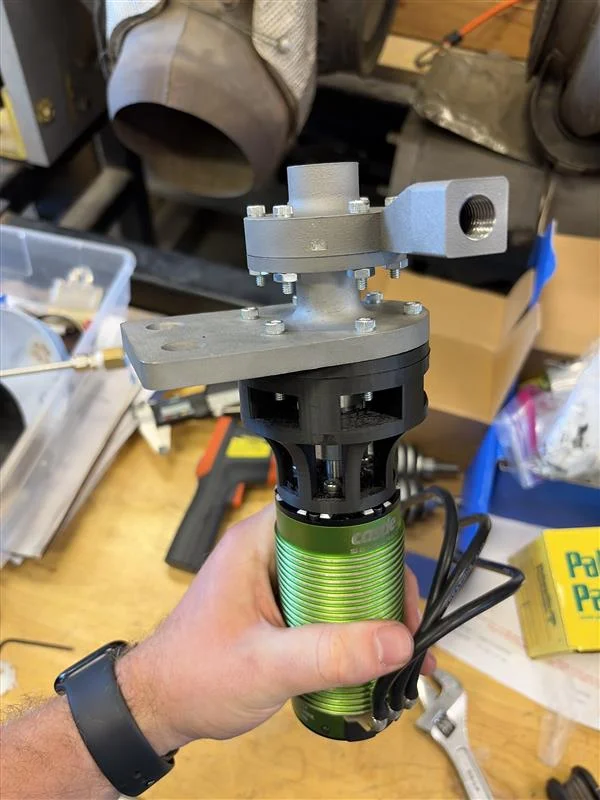
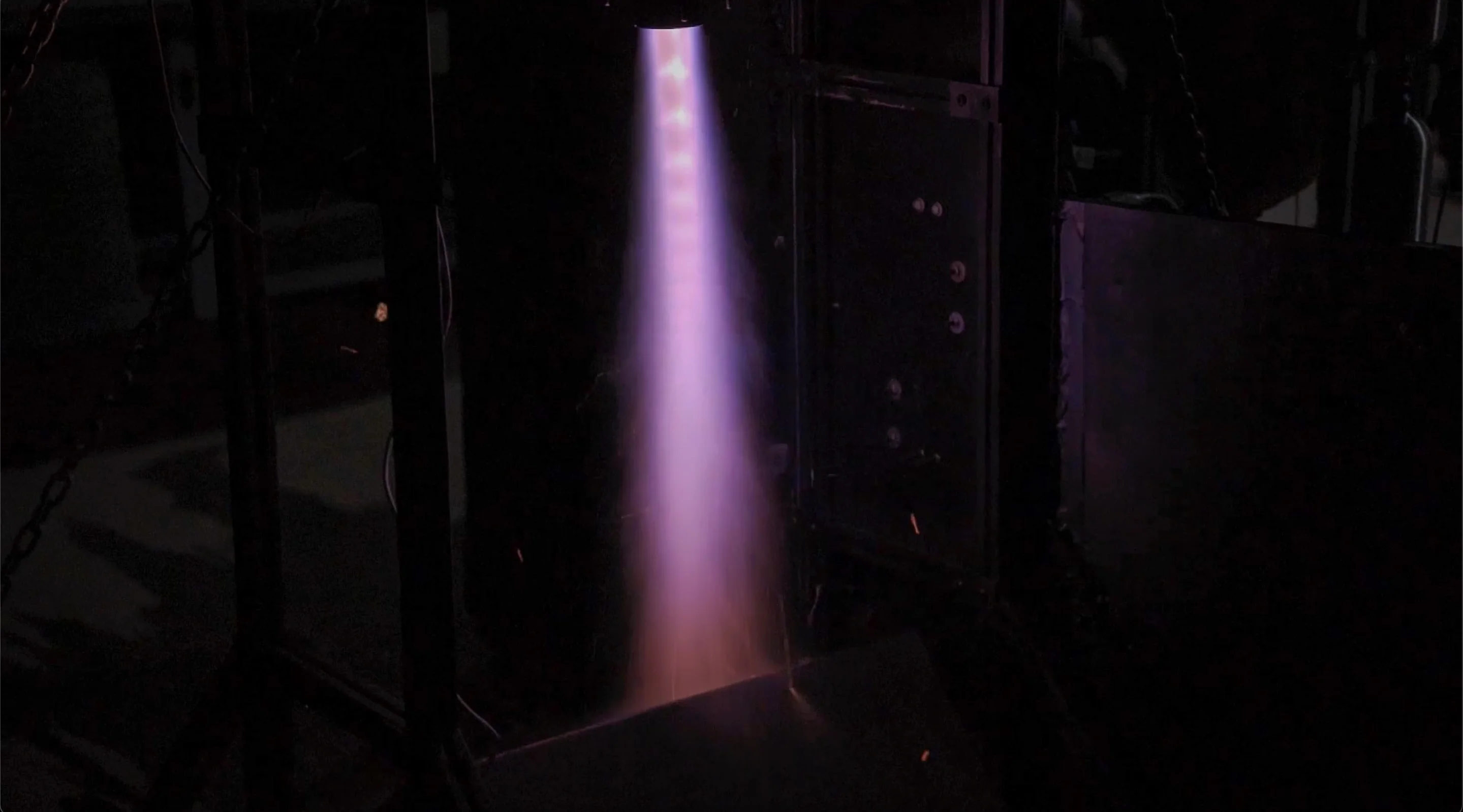
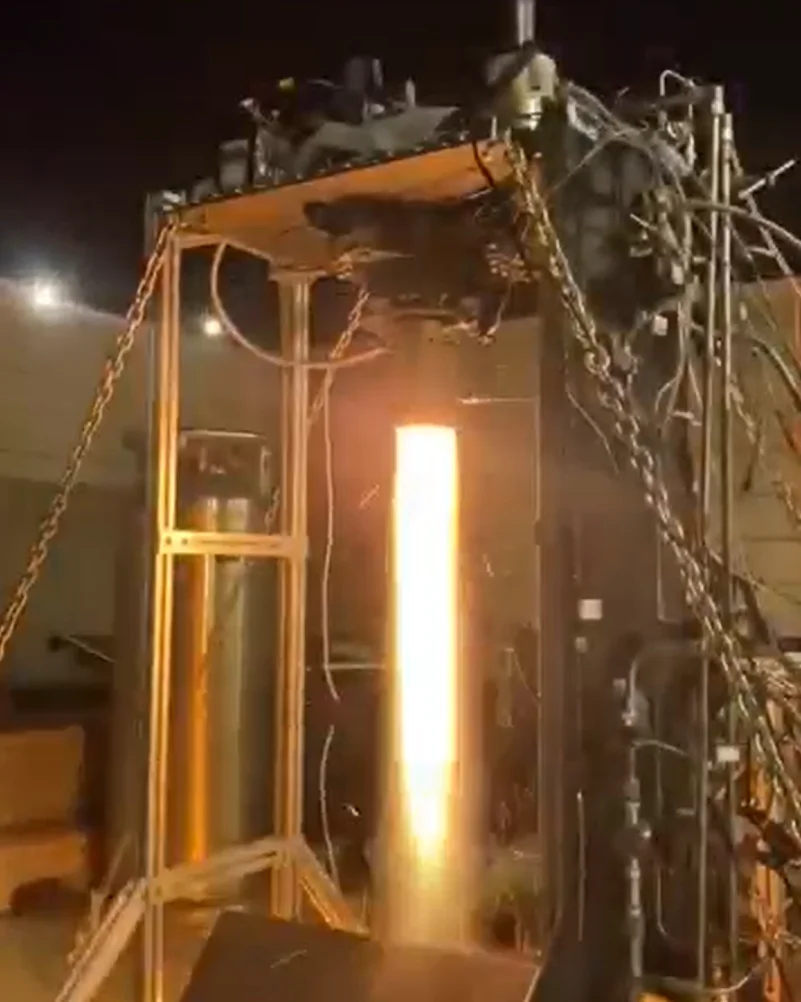
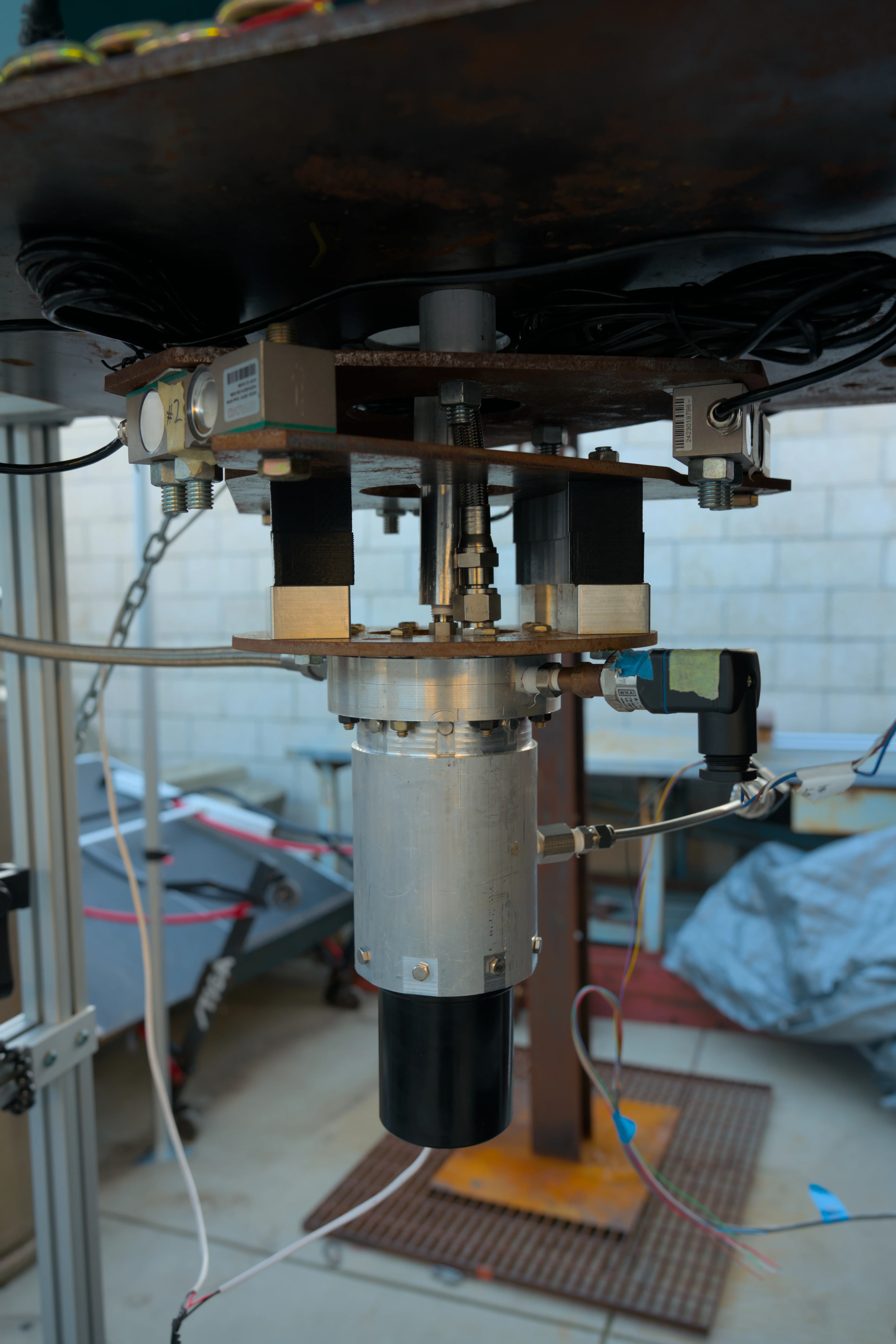
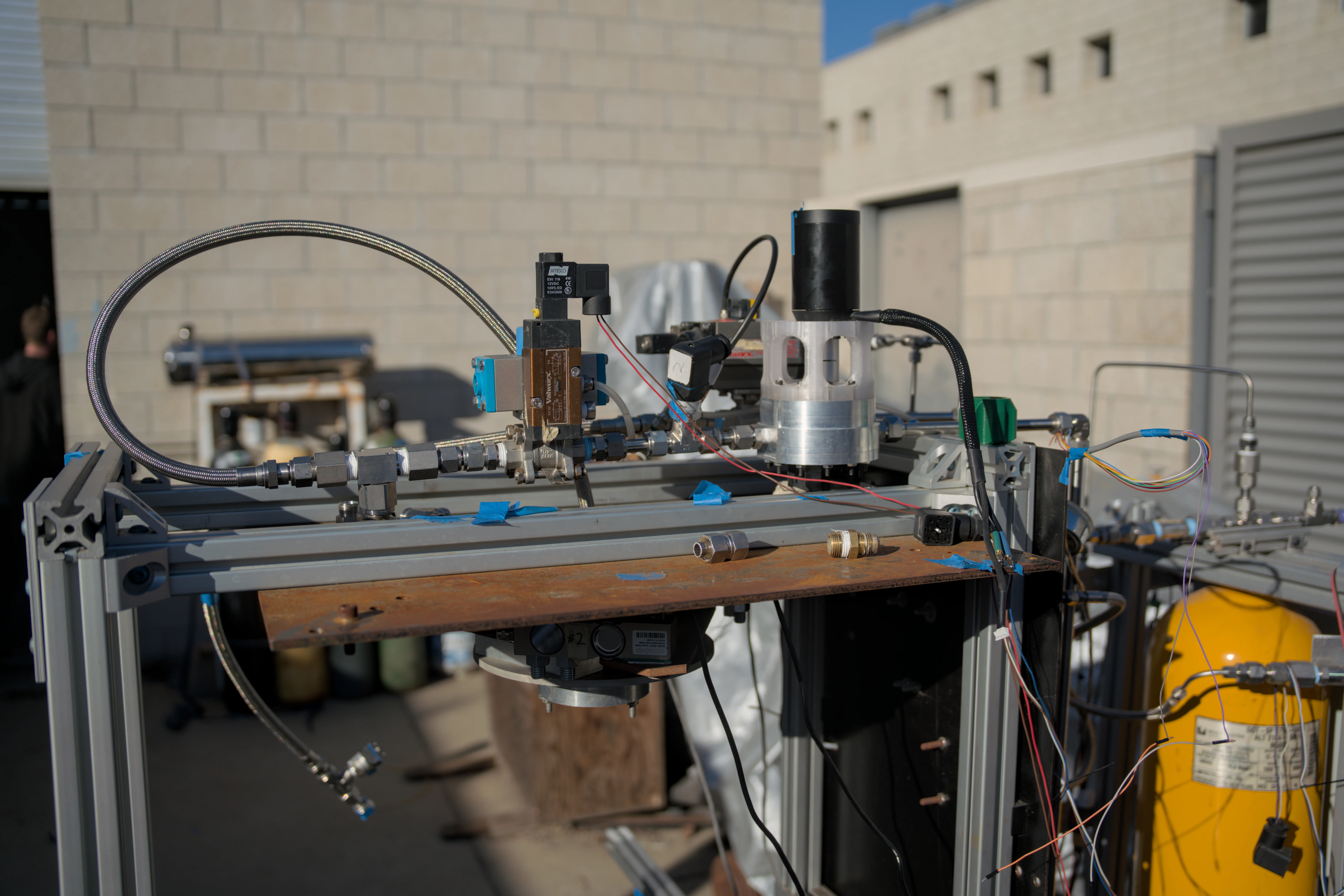
A 300lbf bipropellant engine using nitrous oxide and isopropyl alcohol that serves as the test bed for Cal Poly Space Systems' electric barkse-impeller pump.
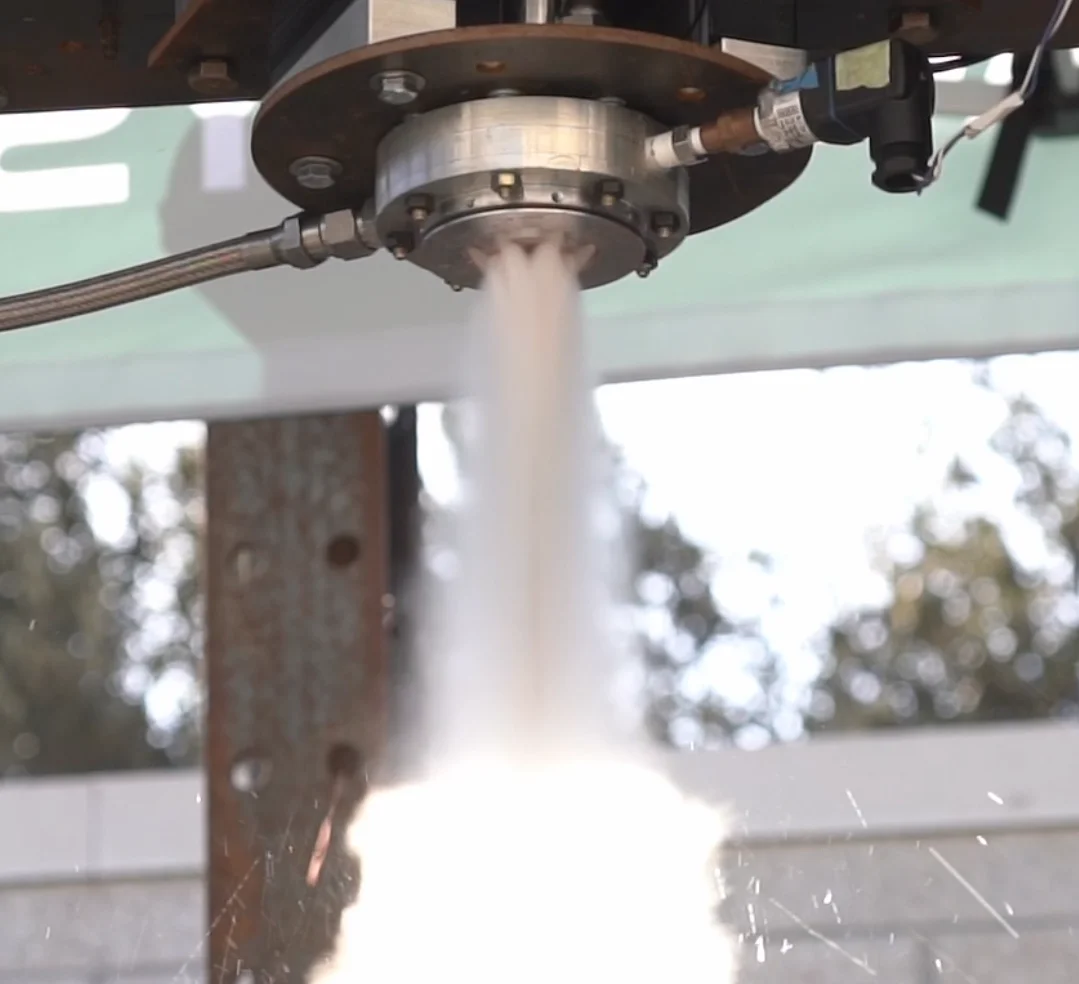
Over the course of 10 hotfires and various cold flows we were able to successfully generate the desired thrust and pressure headrise, at 30,000 RPM the pump was able to operate above 25 percent efficiency.
Stats
Thrust: 300lbf
Mass Flow Rate: 0.7 kg/s
Oxidizer/Fuel Ratio: 2.5
Total Elements: 12
Oxidizer Hole Diameter: 0.0625"
Fuel Hole Diameter: 0.0625"
Throat Diameter: 1"
Peak Measured Thrust: 285lbf
Hotfires: 10
Injector
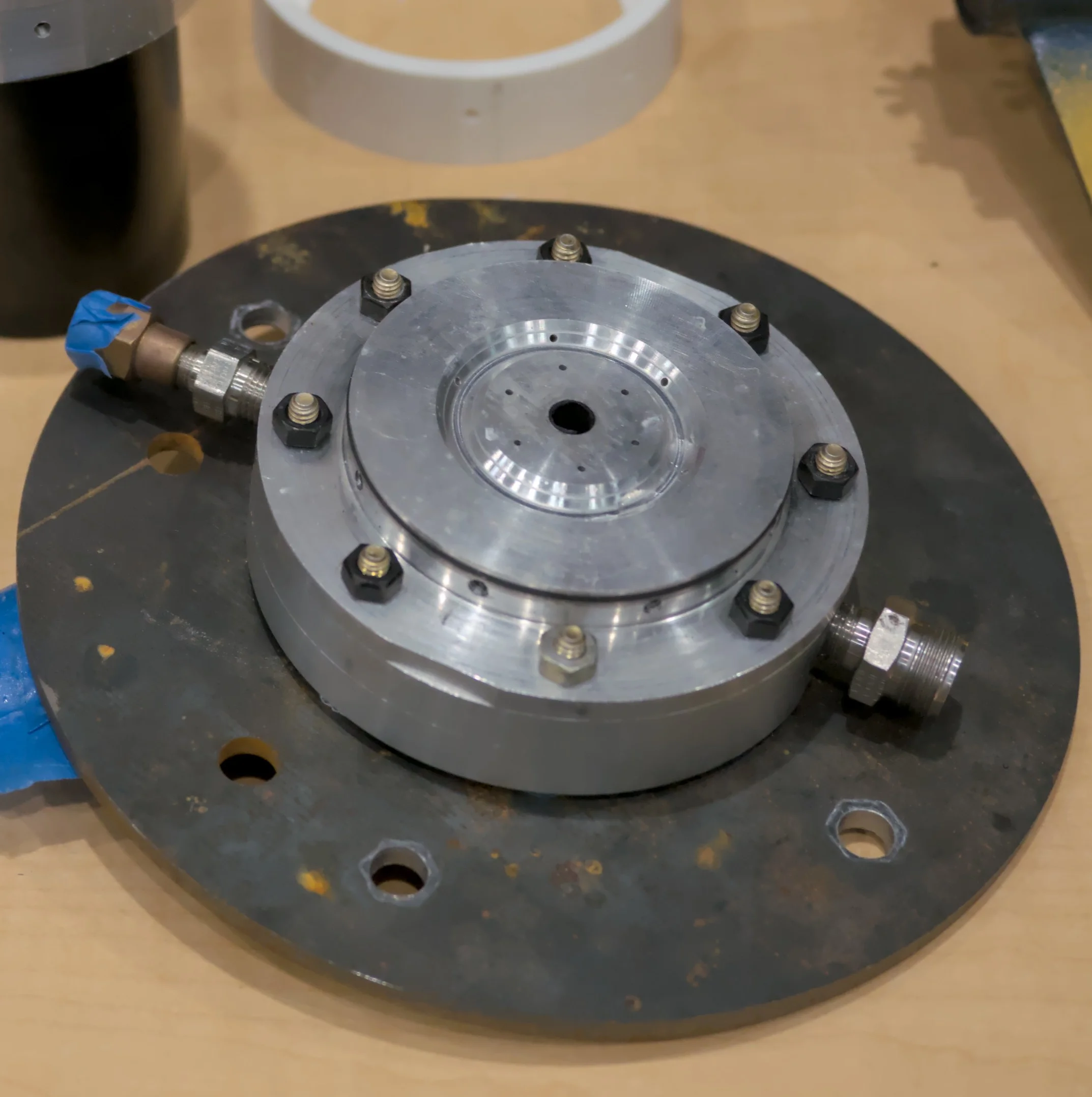
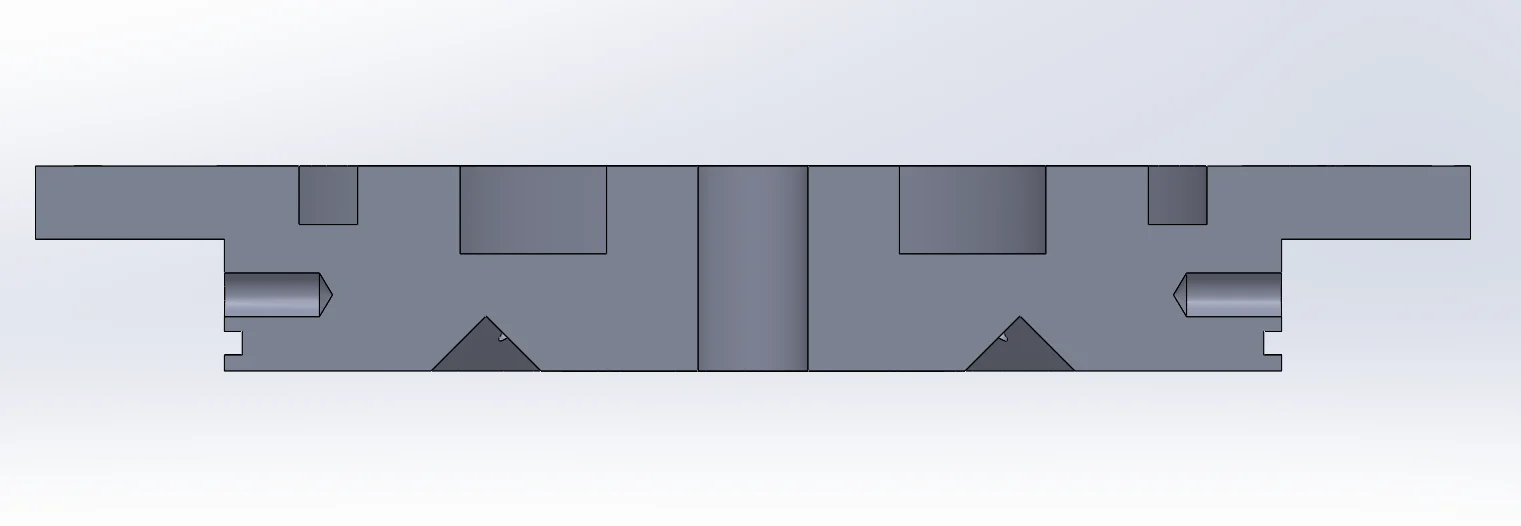
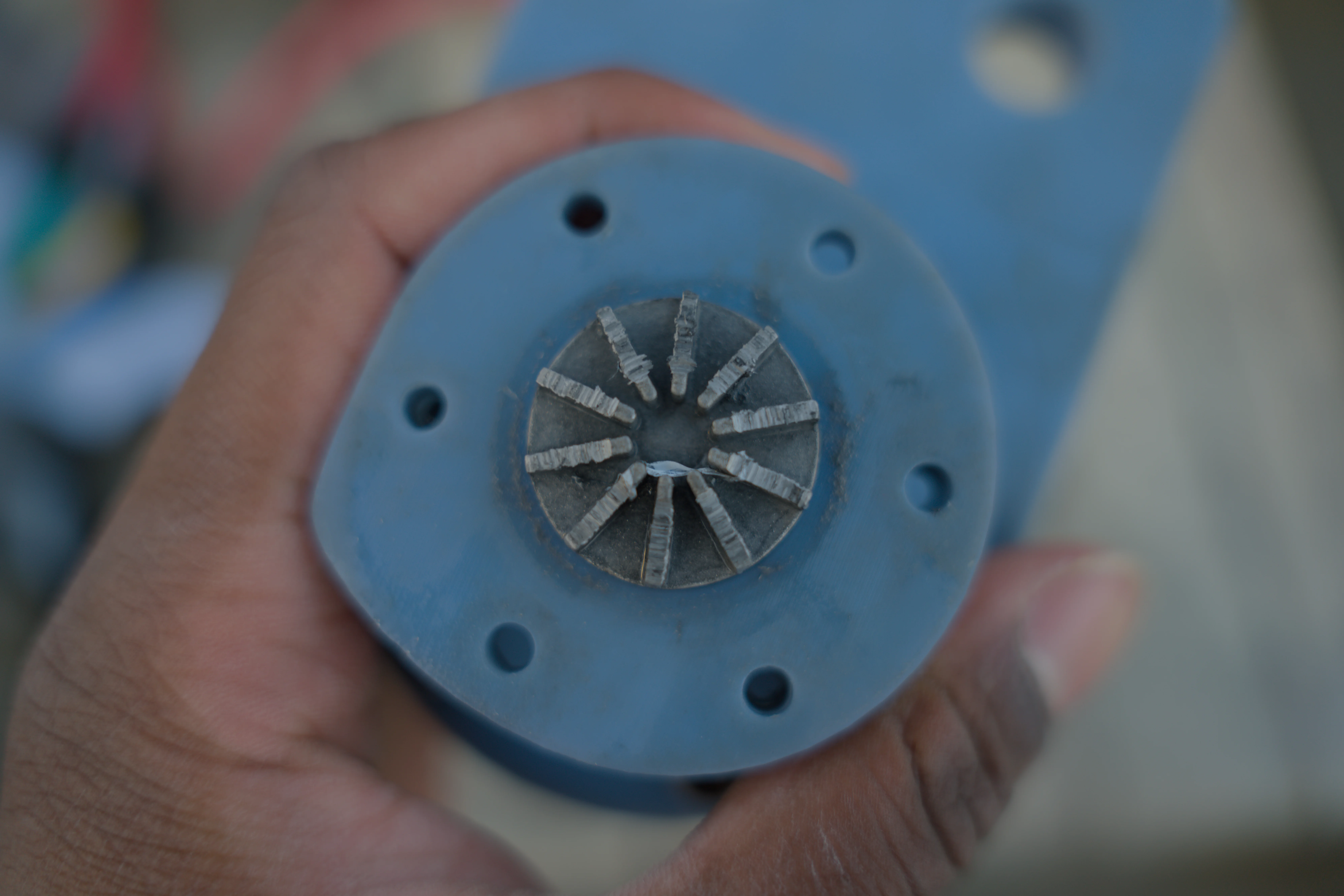
The first real aerospace thing I did when I got to college was design this injector: a simple 12 element unlike doublet impinging injector. I learned extremely early how similar rocket injector design is to art, from the beautiful coaxial swirl to the reliable showerhead. We elected to go with an impinging injector design of the unlike doublet flavor for its ease of manufacturability, mixture performance, and its heritage within the club. Under the careful guidance of upperclassmen through Huzel & Huang and Parker's O-Ring handbook I was able to come up with finalized and reviewed injector CAD by the midpoint of the quarter. A series of matlab scripts were used to verify hand calculations for mass flow rate, orifice sizes, and channel cross-sectional area.
Test Engineering
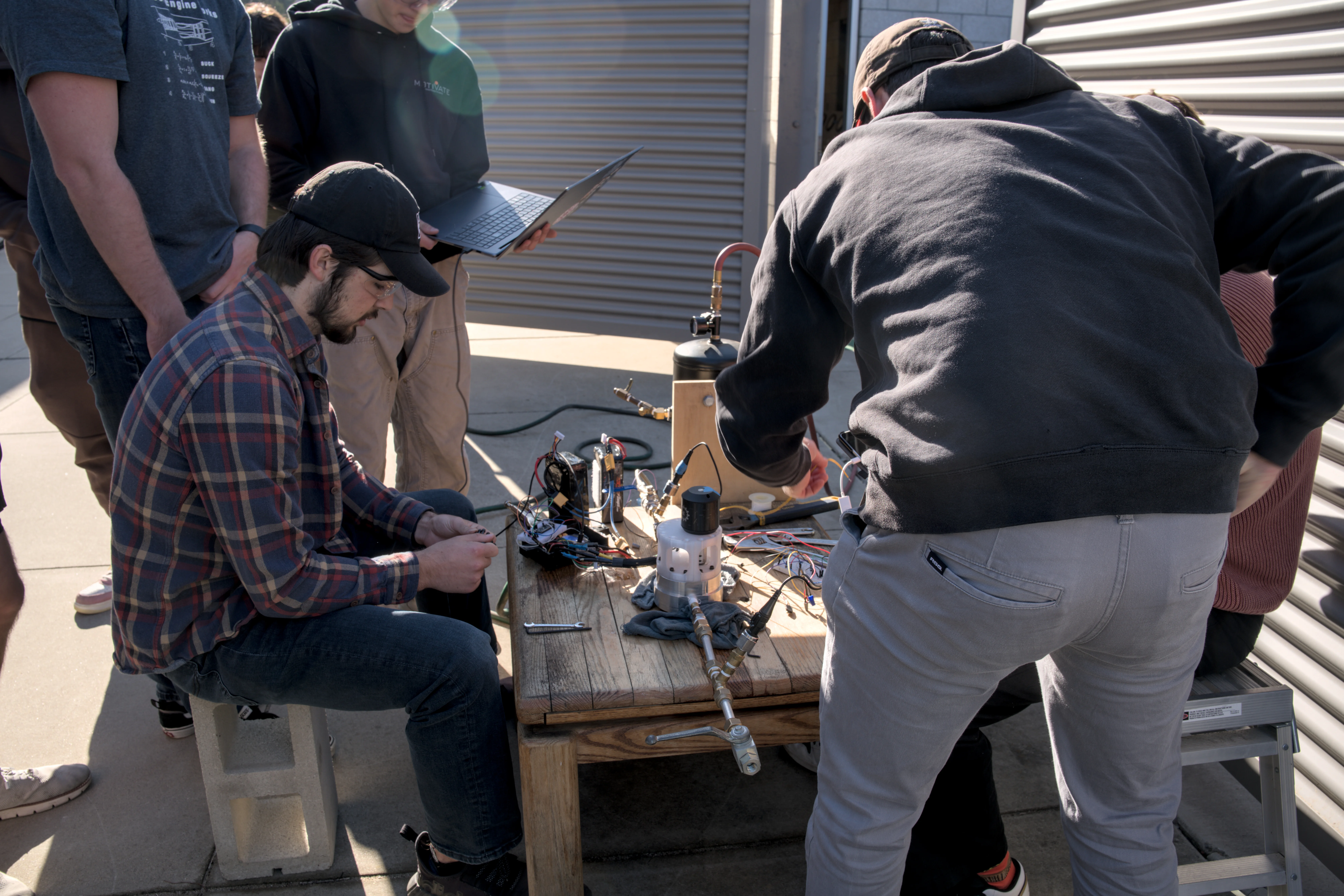
Perhaps the most important takeaway I've gotten from Stratum is the experience that comes with running ten hot-fire tests and numerous cold flows. Working through that many iterations taught me the full journey from manufactured hardware to repeated successful ignition. I learned how to interpret pressure transducer data to diagnose suboptimal combustion behavior, troubleshoot issues between tests, and refine procedures. It also meant becoming familiar with the practical side of operations — including the delicate process of filling liquid N₂O to the correct quantity and preparing the system for consistent, repeatable firings.
Hotfire 10 and Date of Completion: February 4, 2026